
To prevent summer slide, you do not need a second school day at your kitchen table; you need a handful of small, low-pressure habits woven into ordinary summer afternoons. I learned this the hard way. The first summer after my oldest daughter finished kindergarten, I bought a thick workbook, set a daily “learning hour,” and watched the whole thing collapse into tears and standoffs by the second week. She is headstrong, I am admittedly not a natural teacher, and the harder I pushed, the more she dug in. By August, both of us dreaded the word “practice.”
That experience changed how I think about summer learning entirely. The fix was not more structure or a stricter schedule. It was lighter, looser, and honestly more fun for both of us. If you want to keep your kids growing over the break without turning every day into a battle, this is the approach I wish someone had handed me that first summer.
Table of Contents

Summer Learning Loss Is Real, but a Daily Fight Backfires
Let me be clear: the worry is legitimate. Researchers have tracked what teachers call the “summer slide” for decades, and the pattern holds up. Students can lose a meaningful chunk of the reading and math skills they built during the school year, and math tends to slip even faster than reading. Organizations that study student growth, like NWEA, have documented these losses across many grade levels. So no, you are not imagining it when September feels like a reset.
But here is the part most “summer learning” advice skips. The instinct to fight summer learning loss with rigid drills and daily worksheet quotas usually backfires. Kids resist. The table becomes a place of conflict. And resistance is the enemy of retention; a child who is fighting you is not absorbing much of anything. When I tried to prevent summer slide through sheer willpower and a packet of photocopies, I actually made learning feel like punishment.
The better goal is not maximum pressure. It is steady, low-stress exposure that fits into the summer you are actually living. A child who reads a little, counts a little, and stays curious will hold onto far more than a child who endures one tense hour and then mentally checks out for the day. Light and consistent beats heavy and resented every single time.
5 Simple Ways to Prevent Summer Slide Without the Battle
These are the tactics that actually worked in my house. None of them require a curriculum, and most of them barely feel like learning at all.
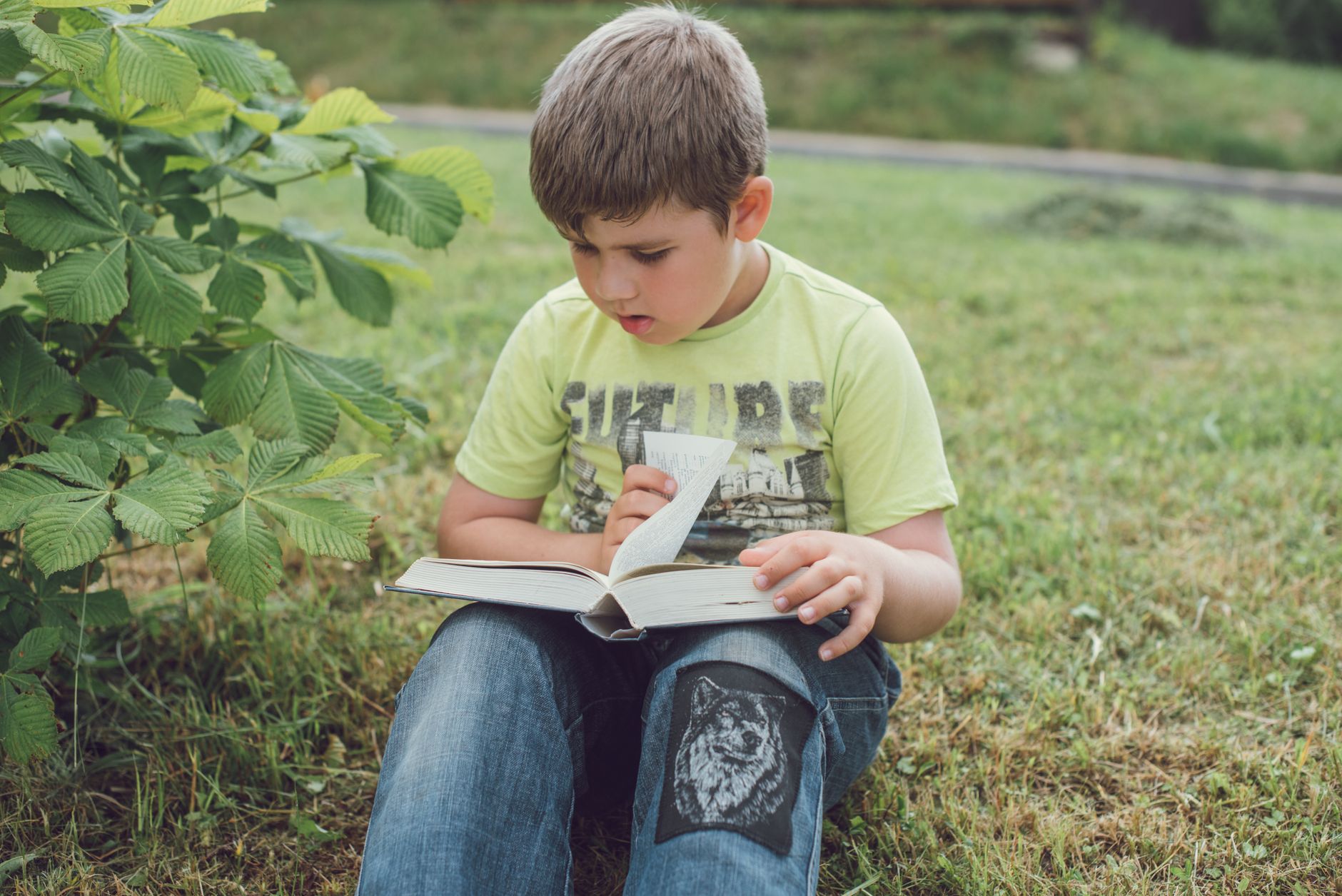
- Read together every day. This is the single highest-return habit, and it is gloriously simple. Let your child choose the book, even if it is the same dinosaur story for the fortieth time. Take turns reading pages aloud, and pause to ask what might happen next. Twenty unhurried minutes of shared reading protects more skill than any worksheet packet. When my daughter gets to pick, that small bit of ownership keeps her leaning in instead of pulling away. If reading is a tense spot in your house, my notes on helping kids with reading at home go deeper.
- Turn everyday moments into math. You do not need flashcards when the whole world is full of numbers. Have your child count out change at the store, double a recipe with you, or measure the backyard before a game. When my daughter helps in the kitchen, she is practicing fractions without ever realizing it. Real-life math sticks because it obviously matters, and the American Academy of Pediatrics reminds parents that everyday, hands-on experiences are powerful learning for young kids.
- Keep learning blocks short and playful. Twenty focused minutes beats a forced, miserable hour. Start a tiny project, do a puzzle, or take a building challenge. My daughter happily does chess and a bit of programming through CodeMonkey at home, mostly because they feel like games rather than assignments. The same short, playful rhythm helps with focus during the school year too, something I wrote about in what to do when your child loses focus.
- Make the library and small projects your friends. A weekly library trip gives kids a low-cost, high-novelty reason to read, and a summer reading program adds gentle motivation without you playing taskmaster. Pair it with a hands-on project: a bug journal, a backyard science experiment, a simple recipe they own start to finish. Projects pull several skills together and let your child lead.
- Keep it playful and protect their interest. Above all, guard your child’s curiosity. If an activity becomes a daily fight, change it before it sours learning entirely. The teaching line I come back to with my own kids is simple: “You don’t have to be right, but you can’t be stuck and not try. Take your shot.” That mindset matters more in the long run than any single skill, and it keeps the summer feeling like growth instead of grind. For more on building motivation that lasts, see my piece on helping kids do better in school.
How Atlas HQ Helps: Why We Built Lessons Learned
I will be honest about why this is personal for me. I built Atlas HQ for my own family first, and one feature in particular grew straight out of these summer struggles. I am not a natural teacher, and I worried constantly about “ruining the experience” by pushing my daughter too hard. What I really wanted was not another worksheet generator; it was a way to have intentional conversations about what she was learning, whether that came from school, a chess match, Taekwondo, or a messy kitchen experiment.
That is where our “Lessons Learned” feature came from. It is a simple nudge toward asking your kids about the day’s learning at dinner, capturing those small wins, and keeping curiosity alive without pressure. It turns out the best way to prevent summer slide is not to act more like a school. It is to notice and celebrate the learning that is already happening all around you, then gently give it a little more room.
Make homework time less painful — starting tonight
Atlas HQ gives your kids a step-by-step homework routine they can follow on their own. No more arguing. No more nagging.
Build your homework routine →Frequently Asked Questions
How much time per day do you actually need to prevent summer slide?
Less than most parents fear. Roughly 20 to 30 minutes of light reading plus a few everyday math moments is enough to keep skills from slipping. Consistency matters far more than length, so short and regular beats long and occasional.
My child refuses anything that looks like schoolwork. What do I do?
Stop making it look like schoolwork. Lean entirely on real-life math, child-chosen books, library trips, and hands-on projects. When learning is woven into play and daily life, the resistance usually fades because it never feels like an assignment.
When should I start, and does a few weeks of slacking ruin it?
Start whenever you can, and relax: a lazy week or two will not undo the year. The aim is a gentle, sustainable rhythm across the summer, not a perfect streak. Pick the habits back up without guilt.
Is screen time ever okay for summer learning?
Yes, when it is intentional. Tools like CodeMonkey, reading apps, or a documentary your child loves can absolutely count. The difference is active, curious engagement versus passive scrolling.
None of this requires you to be the perfect teacher, and you will have days that fall apart. Mine still do. The point is not a flawless summer of enrichment; it is keeping the door to learning open and your child willing to walk through it. Keep it light, follow their interests, and forgive yourself the off days. If you have a trick that keeps your kids learning over the summer without a fight, I would genuinely love to hear it in the comments below.