
Table of Contents
It wasn’t a dramatic blowup. There was no yelling, no tantrum, no memorable incident I could point to and say “that’s the moment everything changed.” My most embarrassing honest founder parenting failure story happened quietly, over and over again, and I didn’t even notice it for a long time.
I was showing up every day — homework help, bedtime routines, weekend activities — and still somehow not really there. My daughter would ask for help with something. I’d sit down next to her. And within three minutes, I’d be half-solving her problem while mentally drafting a product spec, or checking Slack “real quick,” or optimizing the process instead of just being in the moment with her.
She never said anything directly. Kids often don’t.
But one afternoon she looked up at me and said, quietly: “You don’t have to help me get better. I just want to do it with you.”
I had to sit with that for a long time.
Lesson 1: Presence Is Not Proximity
Being in the room is not the same as being present.
I understood this intellectually — I’d read the parenting books, I knew the research. But there’s a real gap between knowing something and actually doing it when your to-do list is fourteen items long and your brain is already at tomorrow.
What I’ve come to understand is that presence isn’t a feeling. It’s a choice you make repeatedly, in real time. It means putting your phone face-down and actually leaving it there. It means asking a question about their day and then listening to the full answer before responding. It means letting the silence breathe instead of rushing to fill it with advice or solutions.
For parents of school-age kids especially, the evening hours feel scarce. You’re tired. They’re tired. And it’s easy to be physically present while mentally elsewhere — running through tomorrow’s calendar, worrying about something that happened at work, half-watching the same cartoon for the fourteenth time.
Your kid knows the difference. They always know.
Lesson 2: She Wants the Time, Not the Skill
This is the part of my honest founder parenting failure story that really got me.
I’d been approaching homework help and evening routines like a problem to solve. My instinct — founder instinct, honestly — is to find the inefficiency, fix it, build a system that makes it run better. So I was teaching. Optimizing. Showing her better ways to organize her backpack, more efficient approaches to her reading log.
She didn’t need any of that.
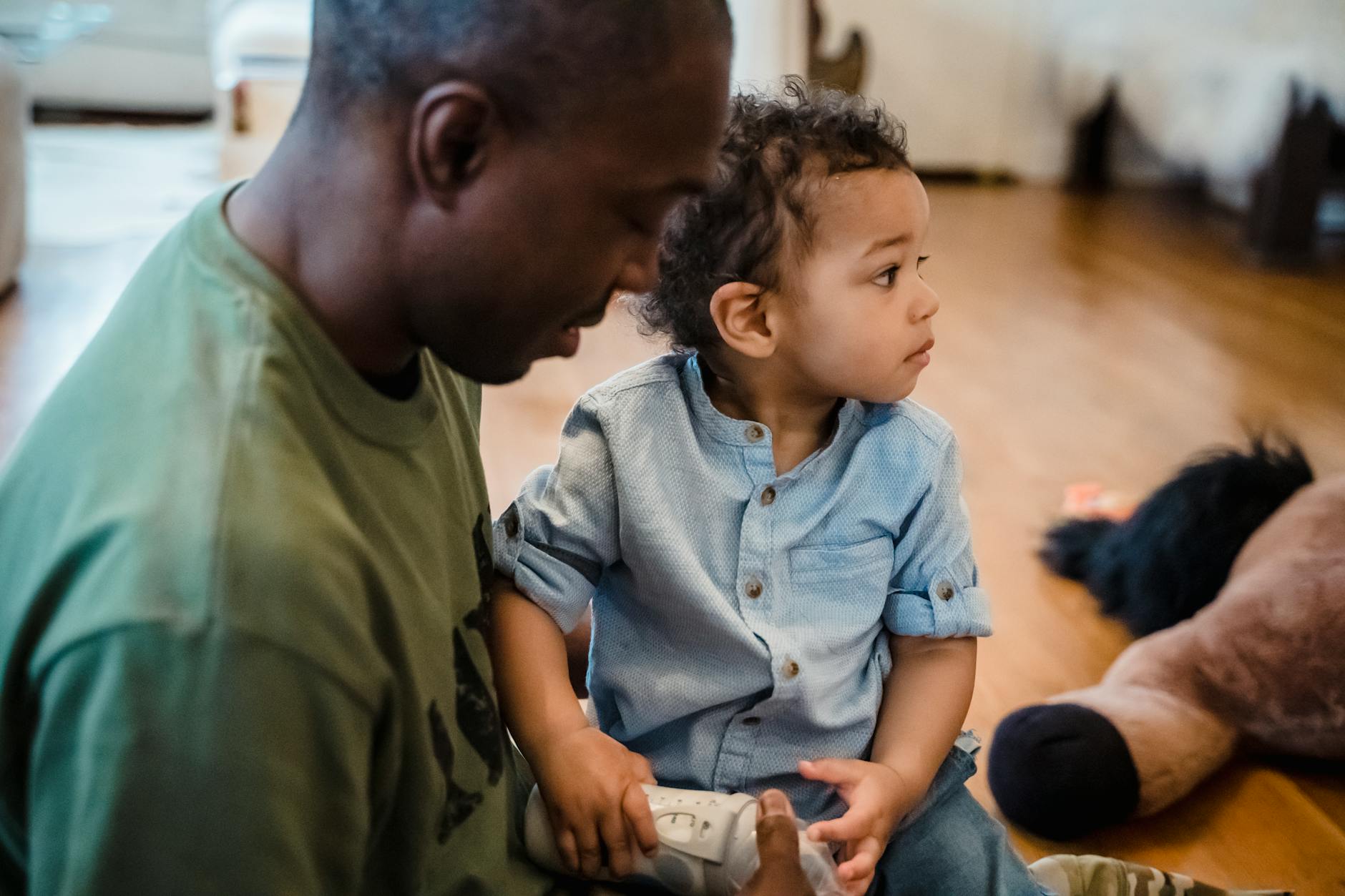
What she wanted — what she kept trying to tell me in the small ways kids communicate — was for me to sit with her. Not to coach. Not to solve. Just to be there, doing it together, in whatever messy, slow, imperfect way it took.
There’s research from the Child Mind Institute suggesting that children’s emotional security comes less from parents solving their problems than from parents being emotionally available during those problems. The presence itself is the point.
I’d been so busy being useful that I’d forgotten to just be hers.
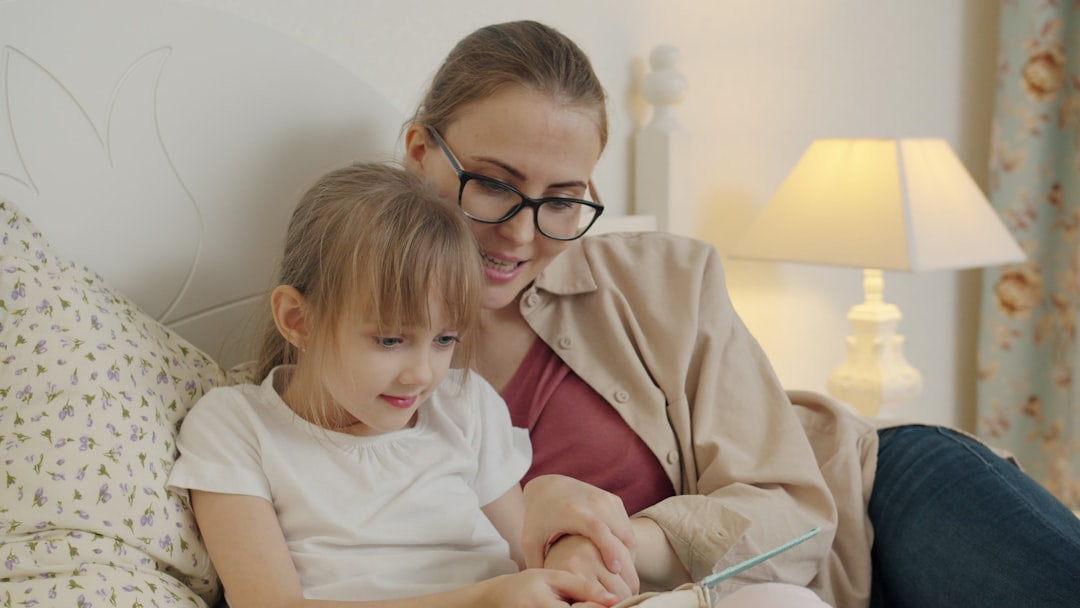
When I started actually protecting that time — blocking it in my calendar like a meeting, putting the phone in another room, committing to just being in the homework corner with her — things shifted. Not overnight. But the quality of our time together changed. She was more open. More willing to share what was actually going on at school. Less anxious when things got hard.
The time wasn’t the problem. My presence during the time was.
Lesson 3: Structure Does What Good Intentions Miss
Here’s the uncomfortable truth I had to sit with: I wasn’t failing because I didn’t care. I was failing because caring wasn’t enough without structure.
Good intentions don’t survive a packed evening schedule. A packed evening schedule, without built-in protected time, will swallow everything that matters.
This is part of why we built the dedicated check-in feature in Atlas HQ. Not because families need another app — but because our family needed a way to protect intentional connection. A nudge that said: it’s 5:30, this is the time you said matters. Be here.
It sounds simple. But simple structures are often the most powerful ones.
For our family, the shift wasn’t about finding more time. It was about protecting the time we already had — and building a rhythm that made showing up the default, not the exception. One-on-one time with each kid, flagged in the system. A homework window that was just ours, no devices allowed for either of us. A five-minute reconnect at the end of the day that she started looking forward to.
None of this is revolutionary. But it works. And on the days when I still slip back into optimization mode, the structure pulls me back.
I’m sharing this because I think a lot of founders and working parents are running this same honest parenting failure pattern without realizing it. Present in body, somewhere else in mind. Doing the work of parenting while not really doing the work of parenting. It’s not a character flaw. It’s a structural problem — and structural problems have structural solutions.
I’m still not perfect at this. My daughter still catches me on my phone when I said I wouldn’t be. But the ratio has shifted. And on the evenings when I actually manage to just be there — she can tell. And honestly, so can I.
→ If this resonates, I share more of what I’m learning as a founder building tools for my own family, including the real story of how this all started.
Frequently Asked Questions
What does “honest founder parenting failure story” really mean?
How do you make time for your kids when your schedule is genuinely packed?
Does structure actually help with being more present as a parent?
Want to follow the Atlas HQ story?
Atlas HQ started as a system I built for my own family — because I needed it. I share what I’m learning (including the parts that don’t go well) for parents who are figuring this out as they go.
What’s one thing your kid has said — directly or indirectly — that you’ve had to sit with for a while? Drop it in the comments. And if you’ve found a way to protect dedicated one-on-one time with your kids even when life gets busy, I’d love to hear what works for your family.