
How to Build Good Habits in Kids: 5 Proven Strategies That Actually Stick
Table of Contents
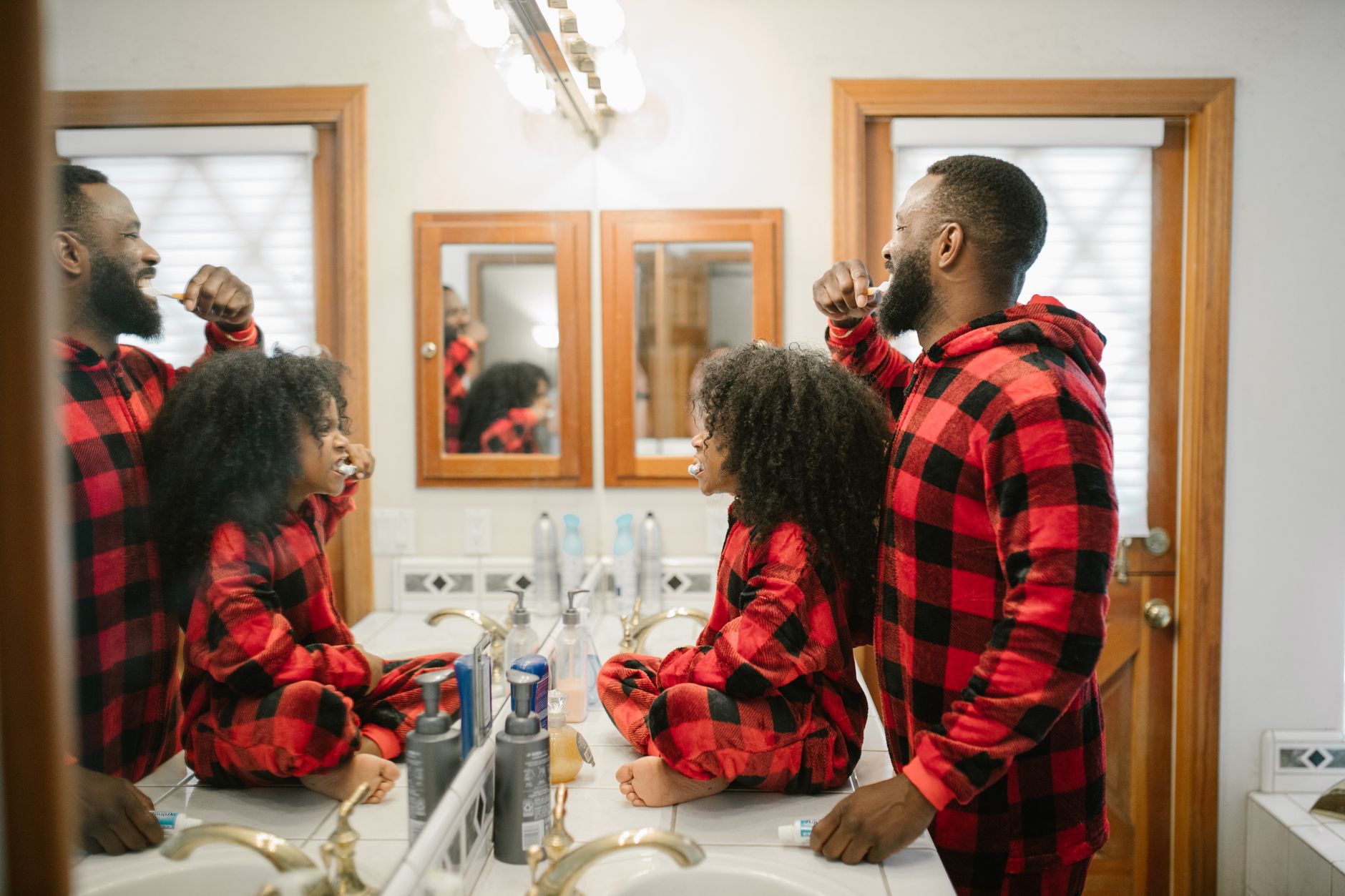
It is 7:40 in the morning. You have already said “brush your teeth” three times. Your six-year-old is standing in the kitchen in one sock, staring at the ceiling. You know this routine. You have done it every single day. And somehow, it still is not a habit.
If you have been trying to figure out how to build good habits in kids and keep running into the same wall, you are not failing. You are just missing a few pieces that actually change the equation — and one of them will probably surprise you.
Why Building Good Habits in Kids Is Harder Than It Looks
The standard advice is: be consistent. Repeat the routine. Use a chart. Give stickers.
That is not wrong. But it misses something important: children do not form habits the same way adults do. Their prefrontal cortex — the part of the brain that manages planning, sequencing, and delayed gratification — is still years away from being fully developed. When your kid “forgets” to do the same thing they did yesterday, it is not defiance. It is neurology.
That does not mean habit formation is impossible. It means the approach has to match where kids actually are developmentally, not where we wish they were.
Here is what tends to go wrong. Parents often try to install too many habits at once. Or they explain the behavior (“do your homework when you get home”) without explaining the reason in a way the child can actually connect to. Or they remove all choices from the process, which means the child has no investment in whether it works.
I have been working through this with my own daughter since she was in preschool. She is headstrong, she needs to understand the reason behind every expectation, and she has never responded well to just being told what to do. Every change in our house has been a conversation first. That was frustrating early on — but it taught me something: the habits that actually stuck were the ones she understood and, at least partially, owned.
If your mornings feel like a daily battle, the guide to getting kids ready without yelling is worth reading alongside this one — a lot of what stalls habit formation in kids shows up first in how mornings fall apart.
5 Proven Strategies to Build Good Habits in Kids
1. Start With One Habit at a Time
This one is difficult because there are always several habits you want to build at once. But the research on habit formation is clear: stacking too many new behaviors at once collapses under its own weight.
Pick the single most important habit for your child right now. Just one. Give it two to three weeks before you add anything else. What you are really doing is training your child’s brain to experience the small reward of completion — and that reward is what eventually makes the behavior automatic.
With my daughter, the first habit we locked in was packing her backpack before dinner, not in the morning. Everything else came later. Trying to do it all at once would have failed. One habit, repeated until it stopped requiring a reminder.
What to do: Write down every habit you want your child to have. Then circle the one that matters most right now, and put the rest away. Resist the urge to “just add” the second one until the first is running on its own.
2. Explain the Why Before the What
If you have a kid who pushes back on every expectation, this strategy will change how you parent.
Children — especially headstrong ones — do not comply with rules they do not understand. They comply with logic. When my daughter was starting to sweep the floor after dinner, her first reaction was “I can’t do this.” Not because she couldn’t — because no one had explained why it mattered to her specifically, not just to the household.
When I told her that everyone in the family keeps their space, that it is how we take care of something we all share, she stopped fighting it. Not immediately. But she stopped fighting it.
According to the American Academy of Pediatrics, children are significantly more cooperative when they understand the reasoning behind expectations, especially between ages 5 and 9. You are not negotiating. You are building buy-in that makes the habit actually work.
What to do: Before introducing a new habit, sit down with your child and explain — in plain terms — why it matters. Not “because I said so.” Something real: “We brush teeth at night because otherwise bacteria sit on them all night and that is what causes cavities.” Specific. True. Understandable.
3. Give Them Ownership of the Order
This is the one that changed our mornings more than anything else.
Most parents set the routine and enforce the sequence. The child has no say. And that works for some kids — but for many, the resistance is not about the tasks. It is about having no control over anything. When everything is done to them rather than by them, they disengage.
The fix is surprisingly simple: give them the task list, and let them choose the order they complete it in.
You control what gets done. They control when and in what sequence. That small shift hands them ownership without compromising the outcome. My daughter thrives with this. She has a list of non-negotiables every evening — lunchbox, clothes for tomorrow, brush teeth, ten minutes of reading — and she picks the order. Some nights she does reading first. Some nights she does lunchbox last. It does not matter. Everything gets done because she is invested in making it happen.
This is actually one of the core ideas behind how Atlas HQ’s Routines feature works — tasks within a time window, where the child can choose the order. I built it that way because of exactly this. Giving kids autonomy over the sequence builds real ownership of the habit.
4. Stack New Habits Onto Existing Ones
Habit stacking is a term from behavioral science: attaching a new behavior to something your child already does automatically. It borrows momentum from an established pattern instead of trying to build willpower from scratch.
For kids, it sounds like this:
- “After you take off your shoes at the door, check your backpack.”
- “After dinner, pick out tomorrow’s clothes.”
- “Before screen time, show me your homework is done.”
The anchor habit does not need to be complicated. It just needs to already happen reliably. When you attach a new behavior to something that already exists in your child’s day, the new behavior has a natural trigger — and over time, the trigger makes the new behavior feel automatic.
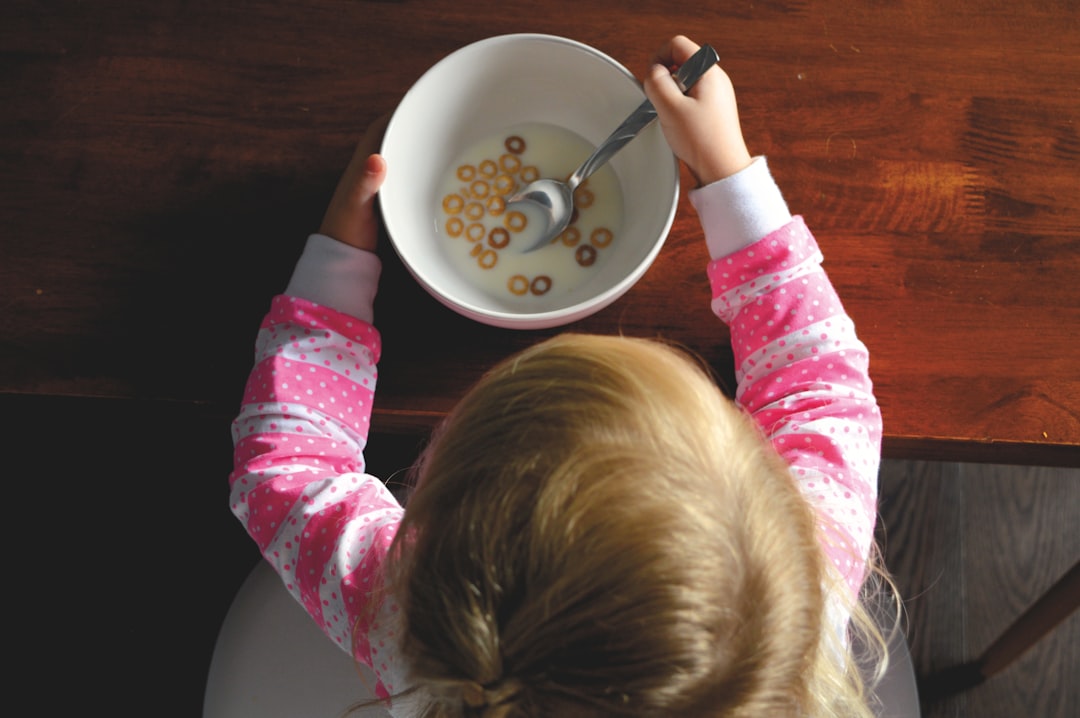
We used this with our morning routine. My daughter is a slow eater, which used to mean everything else got dropped while she finished breakfast. Once we moved eating to the end of the task list — so she completed everything else first — getting out the door became easier because breakfast was the last item, not the bottleneck.
5. Make Progress Visible
Kids live in the present. Abstract rewards like “you’ll be better at this someday” do not motivate them. Visible, immediate feedback does.
A simple habit tracker — a paper chart, an app, a whiteboard — gives your child a concrete way to see that the streak is building. The streak itself becomes motivating. Missing a day feels like breaking something, which is actually a feature, not a bug.
This also helps parents. When the data shows what is actually happening versus what we remember happening, we stop over-correcting on off days and start noticing real patterns. When my daughter has a hard week, I can look back and see whether the routine actually broke down or whether it was one rough morning that felt like everything falling apart.
For a deeper look at building routines that kids can eventually run on their own, this post on independent routines for kids ages 6 to 8 walks through exactly how to get there.
How Atlas HQ Helps With Habit Formation
I built Atlas HQ after a car conversation with my daughter when she was in first grade. She wanted to bring something extra to school one morning and kept forgetting. We set up a 6:45am calendar event — “Morning Checkin” — with a task list attached to it. That small thing was the beginning of the Routines feature.
The app was not designed to replace your parenting. It was designed to hold the structure so you do not have to hold it in your head. Routines in Atlas HQ give kids a list of tasks with a time window and let them choose their own order — the same ownership strategy I described in Tip 3, built directly into the app. Stats and streaks show progress in a way kids can actually see and feel proud of.
My daughter pushed me to follow the routine on the nights I was too tired to care. That feedback loop — her holding me accountable to the structure we built together — is something I wanted other families to have too.
Frequently Asked Questions
How long does it take to build a habit in a child?
Research suggests 21 to 66 days for a behavior to become automatic — and children are on the longer end of that range. Expect four to six weeks of consistent practice before a new habit stops requiring daily reminders. The first two weeks are the hardest.
What are the best habits to start with for school-age kids?
Start with habits that reduce morning or evening friction: packing the backpack the night before, picking out tomorrow’s clothes after dinner, and a consistent wake-up time on school days. These have the highest daily payoff and are easy to track.
What do you do when a child refuses to do their habits?
First, figure out whether the resistance is about the habit itself or about timing and energy. A child who resists chores at 8pm after a full day may be exhausted, not defiant. Adjust when you introduce the habit before assuming it is a behavior problem. On days where they genuinely refuse, let it go without a major standoff — and calmly re-introduce it the next day.
How do I build good habits in kids without nagging?
The goal is to make the structure do the reminding, not you. A visual checklist, a consistent anchor trigger, and a habit tracker move the accountability from your voice to the system. You become the coach checking in, not the alarm clock going off every five minutes.
Does screen time interfere with building habits in kids?
It can — but mainly because it creates a competing reward at the wrong moment. The fix is to make screen time something that happens after the habits are complete, not before. When screens are a scheduled reward that follows the routine, they stop being a distraction and start being a natural close to the sequence.
Build a morning routine your kids can run on their own
Atlas HQ turns chaotic mornings into something that actually works — even when you’re not standing over them.
Try it free →The Real Goal Is Not Perfect Habits — It Is a System That Works for Your Family
No routine survives a real family untouched. There will be sick days, late starts, weeks where everything falls apart. That is not failure. That is parenting.
The families who figure out how to build good habits in kids are not the ones who never miss a day. They are the ones who built something solid enough to return to after the hard weeks. One habit at a time. With a reason behind it. With their child’s buy-in.
If you are starting from scratch, pick one habit this week. Explain the why. Let them own the order. That is enough.
And if any of this feels familiar — the morning chaos, the same reminders on repeat, the kid who needs to understand everything before they will try it — you are in good company. So is the parent who built this app.
If you have tried to build habits in your kids, you know it does not happen overnight. What habit finally clicked in your house — and what made the difference? Share it in the comments. Real answers from real families are more useful than any advice I can give.