
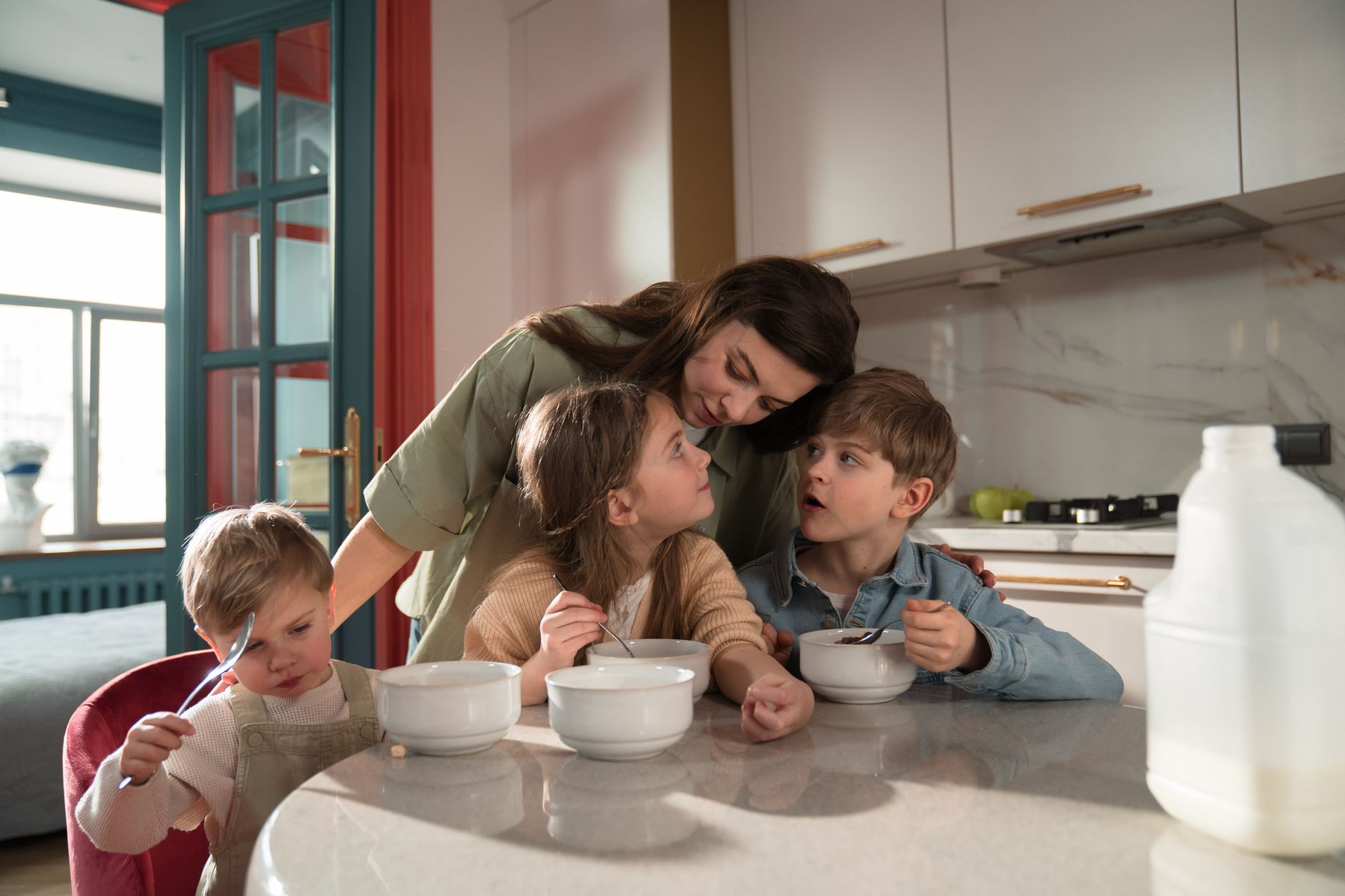
Summer Routine for Kids: 5 Easy Ways to Keep Calm
A summer routine for kids is the quiet difference between a season that feels free and one that slowly falls apart by the second week of July. The first few days of break are blissful. Then the wake-up times drift later, the tablet appears at breakfast, and the same kids who begged for no school are suddenly bored, cranky, and circling the kitchen by ten in the morning. I have watched it happen in my own house with three kids, including a headstrong six-year-old who treats any abrupt change of plans like a personal betrayal.
The good news is that you do not need a color-coded spreadsheet or military precision to fix it. A loose, light summer routine for kids gives the day just enough shape to stay calm while still leaving wide open space for the lazy, magical parts of summer that everyone actually remembers. This is about anchors, not handcuffs.
Table of Contents

Why Summer Days Unravel So Fast
During the school year, structure is handed to you. The bus comes at a set time, lunch happens on a bell, and bedtime is non-negotiable because tomorrow starts early. Summer strips all of that away at once, and a lot of families assume the answer is to have no schedule at all. That sounds relaxing in theory.
In practice, total freedom tends to backfire. Kids are wired to feel safer when they have a rough sense of what comes next. When every hour is undefined, that uncertainty often shows up as restlessness, sibling friction, and the constant negotiation over screens that drains parents by noon. Without any rhythm, the day has no momentum, so it collapses into whoever complains loudest. A predictable summer routine for kids removes that decision fatigue. Everyone knows the broad shape of the day, which means fewer arguments and more actual play.
The mistake I made early on was swinging between extremes, either over-scheduling like it was a second school year or letting the days turn into a screen free-for-all. The sweet spot lives in the middle.
5 Simple Tips to Keep Structure Without Killing the Fun
You can build a workable summer rhythm in an afternoon. Here are the five moves that have held up best for our family.
1. Set a few anchor points. Instead of planning every hour, pick two or three fixed moments that stay the same each day. A consistent wake window, a shared breakfast, and a calm wind-down at night are usually enough. These anchors carry the structure so the hours between them can stay loose. According to the American Academy of Pediatrics, predictable family routines help kids feel secure and regulate their behavior, and that holds true even in summer.
2. Use flexible blocks, not a clock. Drop the minute-by-minute timeline and think in broad blocks instead. A morning block for active or outdoor play, an afternoon block for quiet or creative time, and an evening block to reconnect as a family. Kids learn the pattern without watching a timer, and you avoid the stress of running late on a day that was supposed to be relaxing. The same block thinking that powers a good morning routine for kids works beautifully across a whole summer day.
3. Build in screen guardrails. Screens are not the enemy, but unlimited access quietly eats the day. A simple guardrail like no screens until after lunch, or screens only once the morning block is done, keeps technology from becoming the default. The rule matters less than the consistency. When the boundary is the same every day, kids stop testing it and start filling that time with other things.
4. Involve your kids in the plan. This one changes everything. Sit down together and ask what they want more of and what they would happily skip. When children help shape the routine, they argue with it far less because it stops feeling like a rule imposed on them. My oldest, who fights abrupt transitions hard, is noticeably calmer when she helped decide the order of the day herself. A plan built together feels more like a weekend routine the whole family chose, not a punishment.
5. Keep mornings light. Summer mornings should not feel like a frantic school launch. Protect the wake-up so it is gentle, unhurried, and screen-free for at least the first stretch. A slow breakfast and a little outdoor time set a calm tone that tends to carry through the whole day. Sleep matters here too, and the AAP’s sleep guidance is a useful reminder that kids still need consistent rest even when the school alarm is off.
If you want to go deeper on the philosophy behind all of this, we wrote about what parents get wrong about routines, and most of those lessons apply double in summer.
How Atlas HQ Helps
I did not set out to build a parenting product. I am a software developer and a dad of three who got tired of being the human alarm clock and the constant referee over screen time. The idea for the Routines feature actually came from a conversation in the car with my daughter, plus a 6:45 a.m. calendar alarm I had labeled “Morning Checkin” just to survive our school mornings. I built Atlas HQ for my own family first, and the Routines feature exists for exactly this kind of moment: giving kids a visual, predictable rhythm they can follow without a parent narrating every step. In summer, that same gentle structure is why we built Routines to flex, so a loose day still has an anchor and you are not the one holding it all together in your head.
Build a morning routine your kids can run on their own
Atlas HQ turns chaotic mornings into something that actually works — even when you’re not standing over them.
Try it free →Frequently Asked Questions
Do kids really need a summer routine for kids when school is out?
Yes, though it should be much lighter than the school year. Kids feel calmer and argue less when they have a rough sense of what the day holds. The goal is a few steady anchors, not a packed schedule. Even one or two predictable moments a day make a real difference in mood and cooperation.
How strict should the summer schedule be?
Not very. The whole point is structure without rigidity. Keep your anchor points like wake time, meals, and bedtime fairly consistent, then let everything in between stay flexible. If a beach day or a lazy morning blows up the plan, that is fine. The routine is there to support the fun, not police it.
What if my kids resist any structure at all?
Start small and bring them into the planning. Resistance usually drops sharply when kids feel ownership over the routine instead of having it handed down. Pick just one anchor, like a shared breakfast, and build from there once it sticks. Consistency, not intensity, is what wins them over.
How do I handle screens in a summer routine?
Set one clear, repeatable guardrail rather than negotiating fresh every day. Something like screens only after lunch removes the constant back-and-forth. The predictability is what makes it work, because kids stop testing a boundary that never moves.
No summer routine survives perfectly intact, and yours will not either. There will be late nights, blown-off plans, and mornings that dissolve into chaos no matter what you intended. That is completely normal, and a missed day is not a failed system. The point is not perfection, it is having something gentle to return to so the whole season does not slide into screens and squabbles. Find your two or three anchors, hold them loosely, and let the rest of summer be wonderfully unstructured. If you have a small habit that keeps your own summer days from falling apart, I would genuinely love to hear it in the comments.