
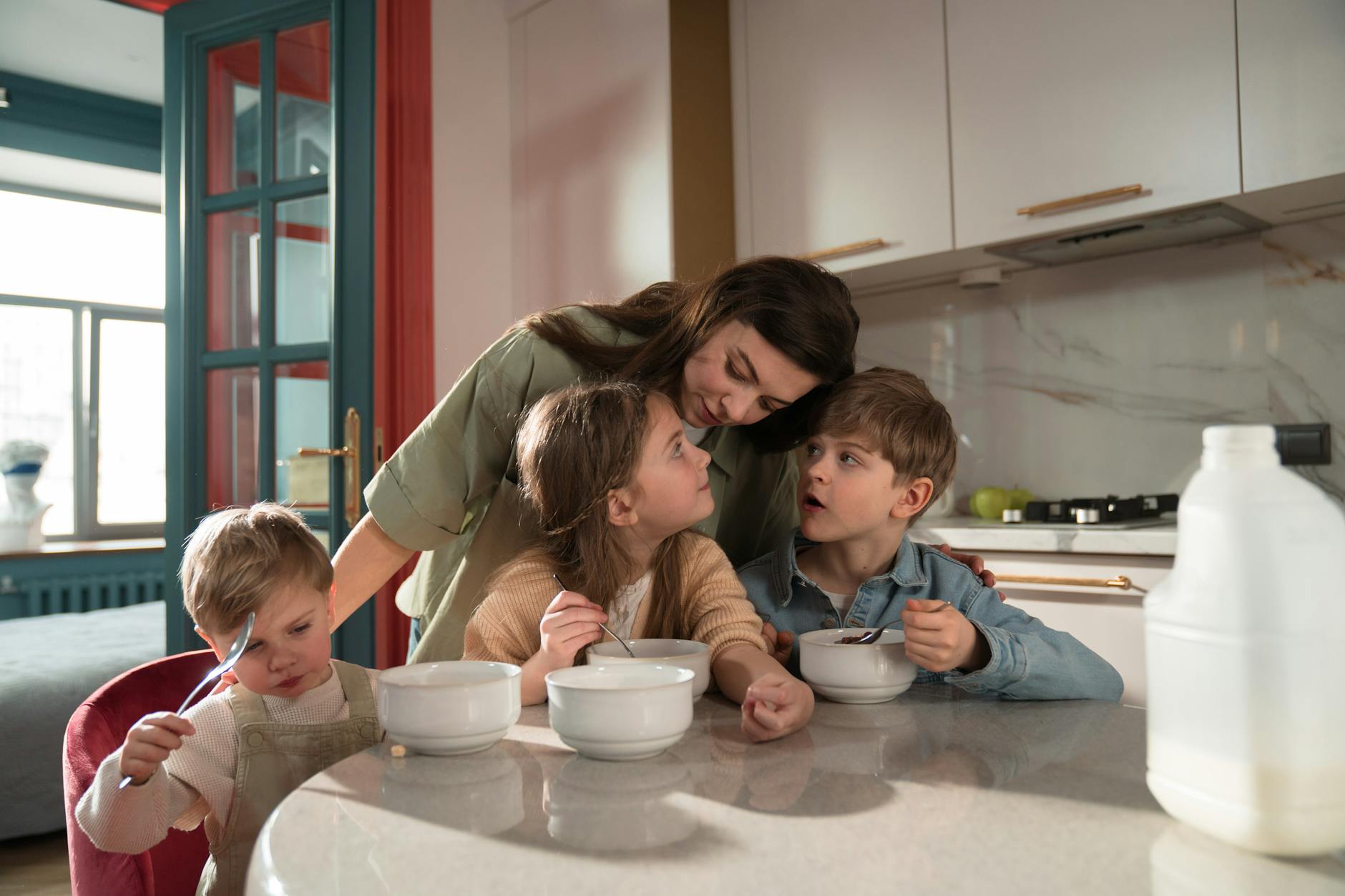
It is 7:42am. The lunchbox is half-packed, one shoe is missing, and you have said “go brush your teeth” four separate times. If that scene lives in your house too, you are exactly the parent I have been writing for. After ninety days of writing about this almost every day, I want to tell you what parents get wrong about routines — and the five fixes I actually use now, as a dad and as the founder who built a family app around them.
Table of Contents
Why Routines Feel Like a Fight in the First Place
I have spent the last ninety days writing about routines for parents, and somewhere in there I finally understood what parents get wrong about routines. It is not effort. You are trying hard. The problem is the story we tell ourselves about what a routine is even for.
We treat it like a discipline contest. Get the kid to do the thing, in the right order, at the right speed, or we have failed. So every missed step feels like proof that we are doing it wrong.
Here is what ninety days of parent conversations taught me: it all rhymes. Different houses, same song. The slow eater. The kid who melts down when plans change. The one who will not switch gears from the fun thing to the next thing. And underneath all of it, a parent repeating the same sentence every single morning until they are hoarse.
If that is you, you are not failing. You are just carrying a system in your head that was never built to live there. My oldest is six, in first grade, and a genuinely slow eater. For a while I thought the answer was to push her faster. It was not.

What Parents Get Wrong About Routines (And the 5 Fixes I Use Now)
After three months of writing this stuff down and testing it at my own kitchen table, here are the five shifts that actually changed our mornings.
- A routine is structure, not control. Start here, because every other fix depends on it. A routine is not you driving the kid through a checklist. It is a frame they can lean on so they always know what comes next. Kids settle when the day is predictable, which is the same reason pediatric groups like the American Academy of Pediatrics point to routines as a foundation for security, not obedience. Build the frame. Stop trying to be the engine inside it.
- Let them choose the order. Stop fighting over which task comes first. The deal in our house is simple: everything on the list gets done, but you decide the sequence. Socks before teeth, or teeth before socks, is not the hill. Giving your kid that small slice of autonomy turns a power struggle into a choice, and choices are how kids practice ownership. If you want more on that, I wrote a whole piece on how to raise independent kids.
- Structure the slot, not the activity. This one fixed screen time for us. I stopped banning and started scheduling. There is a slot on the day where screens or play or downtime can happen, and what fills it can flex. The structure is the win, not the rule. When the time is predictable, the meltdown when it ends mostly disappears, because nobody is being surprised.
- Sequence the must-dos before the wants. My slow eater taught me this. Now everything on her morning list happens before she eats, not after. The last bite lands as the bus rounds the corner, and we are calm instead of sprinting. Put the non-negotiables ahead of the fun, and the fun becomes the natural finish line. Researchers at Zero to Three describe this kind of predictable sequencing as how young kids actually learn to self-regulate.
- The transition is the hard part, not the task. My daughter struggled going station to station in preschool. Three years later, she is still the same person in that way, and honestly, so am I. I do not love switching gears either. I just do not throw the toys. Once I saw the resistance as a transition problem and not defiance, I stopped taking it personally and started giving a heads-up before every switch. The APA’s parenting resources back this up: warmth plus predictable expectations beats pressure every time. If your evenings need the same treatment, here is our evening routine for kids.
Where Atlas HQ Came Into This
None of these fixes started as a product idea. They started in a car. My daughter and I were talking about her mornings, and she wanted to bring something extra to school. So I made a 6:45am calendar alarm called “Morning Checkin” and built a little task list off it. That checklist is the thing that eventually became the Routines feature in Atlas HQ — because I needed a way for her to see what came next without me narrating it.
That is the honest origin. I did not set out to build an app. I set out to stop being the operating system my family runs on, and the tool grew out of that. Watching real families use it only confirmed what parents get wrong about routines at the start: they reach for a fancier system when what they actually need is a simpler, steadier one. The check-off history matters here too, because it is easy to believe you have kept a routine going for a month when the data quietly says otherwise. If you want the longer version, I told it in the story of why I almost gave up on routines.
Frequently Asked Questions
What do most parents get wrong about routines?
The biggest thing parents get wrong about routines is treating them as a way to control a child instead of a structure the child can rely on. When the goal shifts from compliance to predictability, the daily fight gets a lot smaller.
How long does it take for a new routine to stick?
Give it a couple of weeks of consistent repetition before you judge it. New steps almost always come with some pushback at first, especially around transitions, so early resistance is normal and not a sign it is failing.
My kid resists every routine. What should I do first?
Start by handing over the order. Let your child choose the sequence of tasks while you keep the list non-negotiable. That single change converts a lot of resistance into cooperation because the child feels some ownership.
Are routines really that important for young kids?
Yes. Major child development organizations consistently link predictable routines to better emotional regulation and a stronger sense of security, particularly for elementary-age kids who are still learning to manage transitions.
Atlas HQ was built by a parent who needed it first
I did not build this for the app store. I built it because my own family needed it. Come see what we made.
Meet Atlas HQ →You Do Not Have to Get This Perfect
Some mornings still fall apart at my house, and that is normal. The point was never a flawless routine. The point is a structure steady enough that a bad morning is just a bad morning, not a sign you are doing it all wrong.
If you only take one thing from ninety days of me writing about this, take this: build the frame, then let your kid move around inside it. You can read more about getting the first hour right in our morning routine for kids guide.
I would love to hear how this lands in your house. Tell me in the comments where your routine still breaks down — odds are good another parent reading this is fighting the exact same thing.