
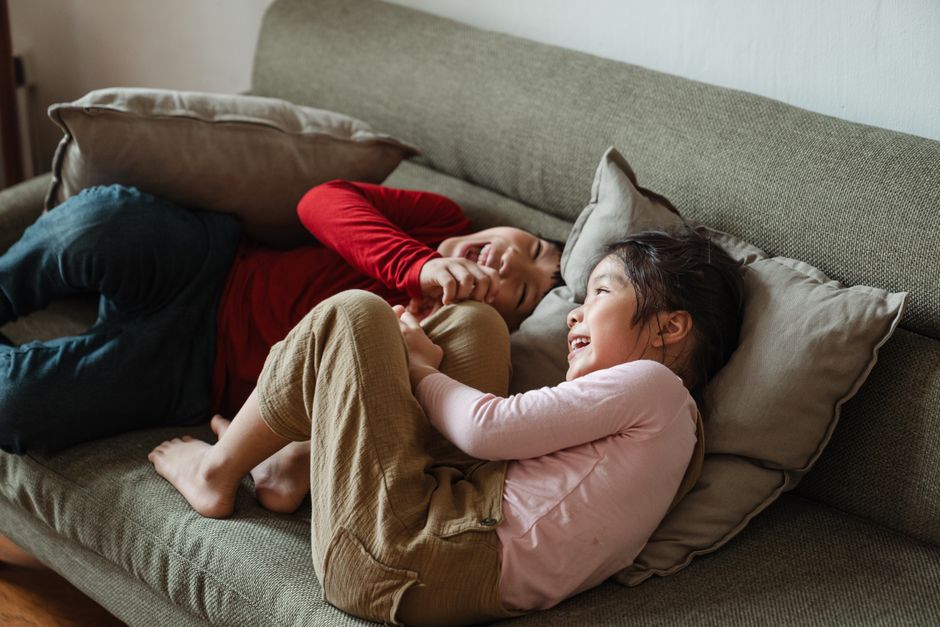
Stop Sibling Fighting: 5 Proven Ways to Restore Calm When Everyone’s Home
The screaming starts before you’ve finished your coffee. One kid had the couch first. The other one looked at them wrong. By 10 a.m. you’ve settled three disputes and you’re wondering how there are still eight hours left in the day. If you want to stop sibling fighting when everyone is home all summer, you are in the right place — and no, you don’t have to referee every single argument to get there.
Summer changes the math. During the school year, your kids get built-in space. Now they’re together every hour, sharing every toy, every room, and every ounce of your attention. That’s a lot of togetherness for small people who are still learning how to share a life.
Why Siblings Fight More When They’re Home All Day
Here’s the thing most advice skips: the fight is rarely about the toy. It’s about a kid who is hungry, tired, bored, or just plain overstimulated and has no words for any of it yet. The toy is simply where it all spills out.
More time together also means more friction. Your kids aren’t broken and neither is your parenting. They’re two or three people with different needs stuck in the same square footage, all day, with nowhere to reset. That would test anyone.
There’s also a fairness radar running constantly in the background. Who got the bigger scoop, who went first, who got more of you. When kids are together nonstop, that radar never gets a break — and neither do you. The American Academy of Pediatrics notes that some rivalry is a normal, even healthy, part of how kids learn to negotiate and stand up for themselves.
It helps to name this out loud: constant proximity is the real trigger, not a character flaw in your kids. Once you see the pattern that way, the fixes below start to make a lot more sense.

5 Ways to Stop Sibling Fighting Without Losing Your Mind
You will not eliminate every argument, and that isn’t the goal. The goal is fewer blowups, shorter recovery time, and kids who slowly learn to handle each other. Here are five ways to get there.
1. Check the Trigger Before You Address the Fight
Before you play judge, ask what’s underneath. Is anyone hungry? Overtired? Have they been cooped up since breakfast? In our house, the emotional days almost always track back to hunger. When one of my kids is running on empty, everything becomes a fight — and food solves it faster than any lecture ever could.
So feed the trigger first. Offer a snack, a glass of water, or ten quiet minutes before you try to sort out who did what. A regulated kid can problem-solve. A depleted one can only melt down. The Child Mind Institute makes the same point: prevention beats mediation almost every time.
2. Stop Refereeing the Small Stuff
You do not have to solve every squabble, and honestly, you shouldn’t. When my six-year-old comes running to report that her little sister is “being bossy,” I’ve learned to slow down — because when I actually watch, the older one is usually the instigator. Jumping in to assign blame just teaches them to compete for my ruling.
Instead, I ask the older one to tell me the story. Then I hand it back: “Okay, what could you two do about that?” I step in for the big things — anything unsafe or genuinely unkind — but the small stuff is theirs to work out. Kids who practice repair get better at it. Kids who get rescued just learn to tattle. This is the same principle behind stopping power struggles: less control from you, more ownership from them.
3. Give Everyone Daily Solo Time
Nobody does well with zero space for twelve hours straight. Adults get quiet in the car or a few minutes alone in the kitchen. Kids need a version of that too.
Build a daily pocket of solo time into the day — each kid in their own corner, their own room, or their own activity for twenty or thirty minutes. It isn’t a punishment and it shouldn’t feel like one. Frame it as a reset: everyone recharges, then comes back ready to actually enjoy each other. A little distance in the afternoon is often what makes the evening peaceful.
4. Coach the Repair, Don’t Force the “Sorry”
A rushed “sorry” mumbled at the floor teaches nothing. What actually sticks is a real repair. When something bigger happens in our house, I make sure a genuine apology happens — not a performance, but an actual acknowledgment of what went wrong and what they’ll do next time.
Keep it simple and coach it in the moment: “What happened? How do you think she felt? What can you do to make it right?” You’re not looking for perfect words. You’re building the muscle that lets them handle conflict without you standing in the middle. Over time, that muscle is what lets siblings repair on their own.
5. Build Appreciation on the Calm Days
The best time to reduce fighting isn’t during a fight — it’s during the good moments. When things are calm, I lean on small habits that build kids up: naming what they did well, a quick gratitude moment, noticing when they were kind to each other.
This is slow work, and it doesn’t fix an argument today. But confidence and appreciation for the people around you are exactly what make kids resolve things better as they grow. You’re not just breaking up fights. You’re building the humans who will fight less next year. For more on that foundation, see how we think about raising emotionally intelligent kids.
How Atlas HQ Helps
A lot of sibling conflict comes down to kids who can’t yet name what they’re feeling, so it comes out sideways as a fight. That’s actually why we built the Emotional Check-In Tool in Atlas HQ — I wanted a simple way to ask my kids where they are emotionally before the day tips over, not after.
For younger kids especially, a daily check-in makes feelings something you talk about out loud instead of something you act out. It won’t stop every argument. But when a kid can tell you “I’m frustrated” instead of shoving a sibling, you’ve solved the fight before it starts. That early awareness is the quiet groundwork underneath everything above.
Frequently Asked Questions
How do I stop sibling fighting when they’re home together all summer?
Start by looking for the trigger — hunger, tiredness, or too much togetherness — and address that first. Then build in daily solo time so they get a reset, and let them work out small disagreements themselves. You’re aiming for fewer and shorter fights, not zero.
Should I punish both kids when siblings fight?
Usually no. Blanket punishment teaches kids to hide conflict rather than resolve it. Step in for anything unsafe or genuinely cruel, but for everyday squabbles, coach them to tell the story and repair it themselves.
Is it normal for siblings to fight every day?
Yes. Daily bickering is a normal part of learning to share space and attention, especially when kids are home more than usual. What matters is that they recover, reconnect, and slowly get better at handling each other.
At what age does sibling rivalry peak?
It’s often most intense when kids are close in age and both still developing self-control, commonly in the early school years. It tends to ease as kids build language for their feelings and more independence.
How can I reduce sibling rivalry long term?
Focus on the calm days, not just the fights. Build appreciation, name feelings early, and give each child individual attention and space. These habits lower the overall temperature so there’s less to fight about.
When kids know what’s coming, big emotions get smaller
Atlas HQ builds the structure that helps your child feel safe, regulated, and in control.
Try it free →You Don’t Need a Perfect, Peaceful House
Some days nothing works and the noise wins. That’s normal, and it isn’t a sign you’re doing it wrong. Real families are loud sometimes.
But if you check the trigger, step back from the small stuff, protect a little solo time, and build kids up on the calm days, the whole house gets quieter over the season. Start with one of these this week and see what shifts. And if the fighting feels constant, our deeper guide on why siblings fight constantly breaks down what’s really going on. Come tell us in the comments — every family figures this out a little differently, and yours might have the tip another parent needs.