
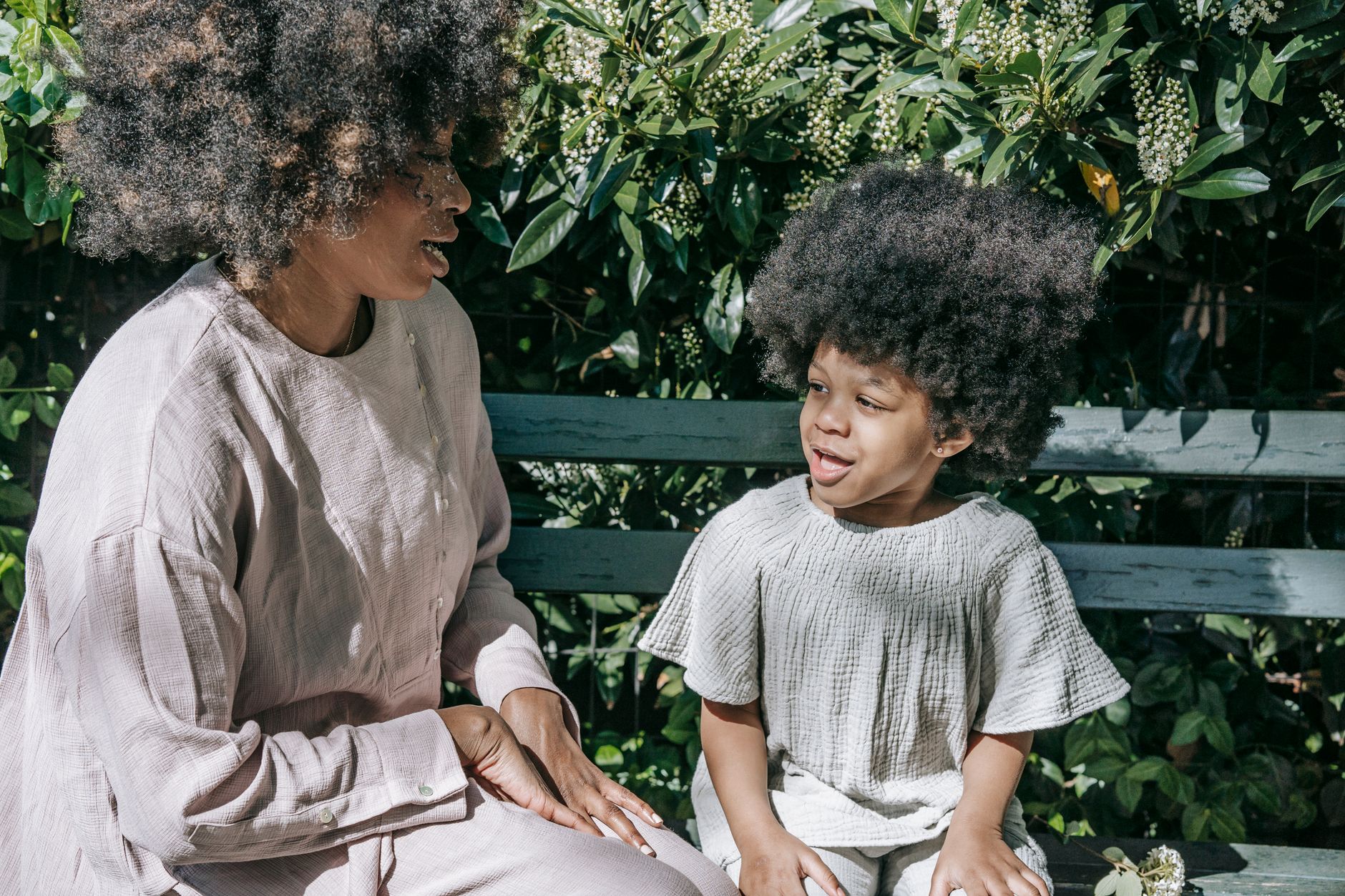
You already know how to stop power struggles with kids in theory: stay calm, hold the line, do not engage. Then it is 7:50am, your child is standing by the door with their arms crossed refusing to put on their shoes, and theory walks out the door without them. The clock is ticking. You can hear your own voice getting louder.
Sound familiar? You are not failing. You just need a handful of moves that work in the real moment, not the calm-parenting-blog moment.
Table of Contents
Why Power Struggles With Kids Happen in the First Place
A power struggle is not your child being bad. It is two people who both want control of the same moment, and neither one wants to be the one who folds. Your kid is not trying to ruin your morning. They are trying to feel like they have some say in a day that adults schedule from start to finish.
My oldest is six, and she is headstrong in a way I actually respect. She does not respond to being barked at. When I raise my voice, she digs in harder and the whole thing gets worse. I grew up in a house where kids were seen and not heard, and I made a decision early that I wanted to raise mine through conversation instead of commands. That sounds great on paper. In the moment, when you are late and tired, it is genuinely hard.
Here is the part that helped me most: most defiance is a kid asking for respect and a little control, not a kid trying to win. Once you stop reading it as a personal attack, you stop fighting back and start leading. (The Child Mind Institute has a helpful breakdown of why kids push back and how to respond without escalating.) If big feelings are driving the standoffs in your house, our guide on how to help kids manage emotions is a good companion to this one.

How to Stop Power Struggles With Kids: 5 Moves That Actually Work
You do not need to win the fight. You need to make the fight unnecessary. Knowing how to stop power struggles with kids comes down to these five moves, and none of them require you to give in.
- Offer a real choice inside the limit. Give your child a genuine decision while the limit itself stays fixed. In my house, the task list is non-negotiable but the order is hers. She can put on shoes before her coat or after, brush teeth first or pack her bag first. The pushback dropped noticeably the day I stopped dictating sequence and started handing it to her. A child who gets to choose the “how” stops fighting you on the “whether.”
- Regulate yourself before you respond. Your kid reads your face and matches your energy. When I am frustrated and let it leak into my voice, my daughter escalates right along with me. So I take one breath and lower my volume on purpose before I say anything. It feels like doing nothing. It is actually the move that takes the fuel out of the fire. If yelling is your default reflex when things heat up, you are not alone, and disciplining without yelling is a skill you can build.
- Connect before you correct. Get down to their level, name what they are feeling, then hold the limit. “You are mad we have to leave. I get it. We are still putting shoes on.” Kids fight less when they feel seen first. Research on early relationships from Harvard’s Center on the Developing Child calls this serve and return — the back-and-forth that builds a child’s ability to self-regulate. Connection is not caving. It is the thing that makes the limit land. When the day has already gone sideways, our piece on connecting with your child after a hard day goes deeper here.
- Say it once, then stop repeating. Repeating yourself five times teaches your child that your words do not mean anything until the fifth time. Say the expectation clearly one time, then go quiet and let the natural pause do the work. The silence is uncomfortable, and that is the point. If you find yourself stuck in the reminder loop, how to stop nagging kids is built around exactly this problem.
- Catch the moments that go right. When your child cooperates without a fight, name it out loud. “You started your routine on your own. That is a big deal.” We are wired to notice the blowups and skip right past the calm wins, but the calm wins are the behavior you actually want more of. Pointing them out is how you grow them.
How Atlas HQ Helps
I did not set out to build a behavior app. I built Atlas HQ because I needed a way to manage my own frustration so I could have better conversations with my daughter. The Gratitude and Affirmations feature came directly out of that. When I take a minute to focus on what is going right before I correct what is going wrong, the whole tone of the interaction changes, and the power struggles get smaller.
The Emotional Check-In is the other piece. It is a simple way to see where your kid actually is before the standoff starts, because at younger ages a lot of defiance is really hunger, tiredness, or a feeling they cannot name yet. Giving a child the words for what they feel is one of the quietest ways to stop a fight before it begins.
When kids know what is coming, big emotions get smaller
Atlas HQ builds the structure that helps your child feel safe, regulated, and in control.
Try it free →Frequently Asked Questions
How do I stop power struggles with kids without just giving in? Hold the limit and hand over the control inside it. The rule stays fixed, but your child gets to choose how or when within that rule. You are not negotiating the limit, you are giving them ownership of the path to it, which is what most kids are actually fighting for.
Why does my child only have power struggles with me and not other adults? Because they feel safest with you. Kids save their hardest behavior for the person they trust most to still love them afterward. It is frustrating, but it is also a sign of a secure relationship, not a broken one.
What should I do in the middle of a power struggle that is already escalating? Lower your voice and slow down. Name the feeling, restate the limit once, and stop talking. The more you add words and volume, the more fuel you hand the fight. Calm is contagious, and so is chaos.
At what age do power struggles with kids get easier? They shift rather than disappear. The toddler floor-tantrum becomes the six-year-old standoff becomes the older-kid negotiation. What changes is your child’s ability to talk it through, especially if you have spent the early years modeling calm and giving them real choices.
Some mornings you will do all of this and your kid will still melt down by the door. That is normal, and it is not a sign you got it wrong. Power struggles are not proof you are a bad parent. They are proof your child wants a say, and now you have a few ways to give them one without handing over the wheel. Pick one move and try it tomorrow. If you want to keep going, how to help kids manage emotions is a natural next read. I would love to hear which struggle is the stubborn one in your house.