
Most parents start thinking about how to build study habits in kids the year it suddenly matters — when the homework gets real, the grades start counting, and every evening turns into a standoff. By then you are not building a habit. You are negotiating a ceasefire.
The better moment is earlier. Years earlier, when the work is light, the stakes are low, and a “study session” can be twenty quiet minutes of reading or a puzzle. That is when habits actually take root — before your child has decided that focused work is something to dread.
I learned this with my own oldest, who is in first grade. Her homework is basically non-existent right now, so instead we do chess or a little coding for about thirty minutes on the days she does not have Taekwondo. Nothing high-stakes. Just a rhythm. If you want the same calm head start, here is how to build study habits in kids long before they really need them.
Table of Contents
Why Study Habits Are So Hard to Add Later
Here is the trap. We wait until there is a real reason — a tough subject, a slipping grade, a teacher’s note — and then we try to install a study habit on top of stress. That is the worst possible time.
A child who is already overwhelmed reads “let’s build a study routine” as “you are failing and now there are new rules.” The habit and the bad feeling get wired together. You can see the same pattern when a child loses focus during homework: the problem is rarely laziness. It is that the whole moment feels heavy before they even start.
When you start early, you skip all of that. There is no grade on the line, no shame, no pressure. The habit gets to form in a calm, almost boring way — which is exactly how the strongest habits form. (If you want the bigger picture first, start with our guide on how to build good habits in kids that stick.) Research on learning is clear that small amounts of consistent, spaced practice beat occasional cramming, a point Edutopia has covered well. Early and light wins. Late and heavy loses.
How to Build Study Habits in Kids: 5 Steps That Actually Stick
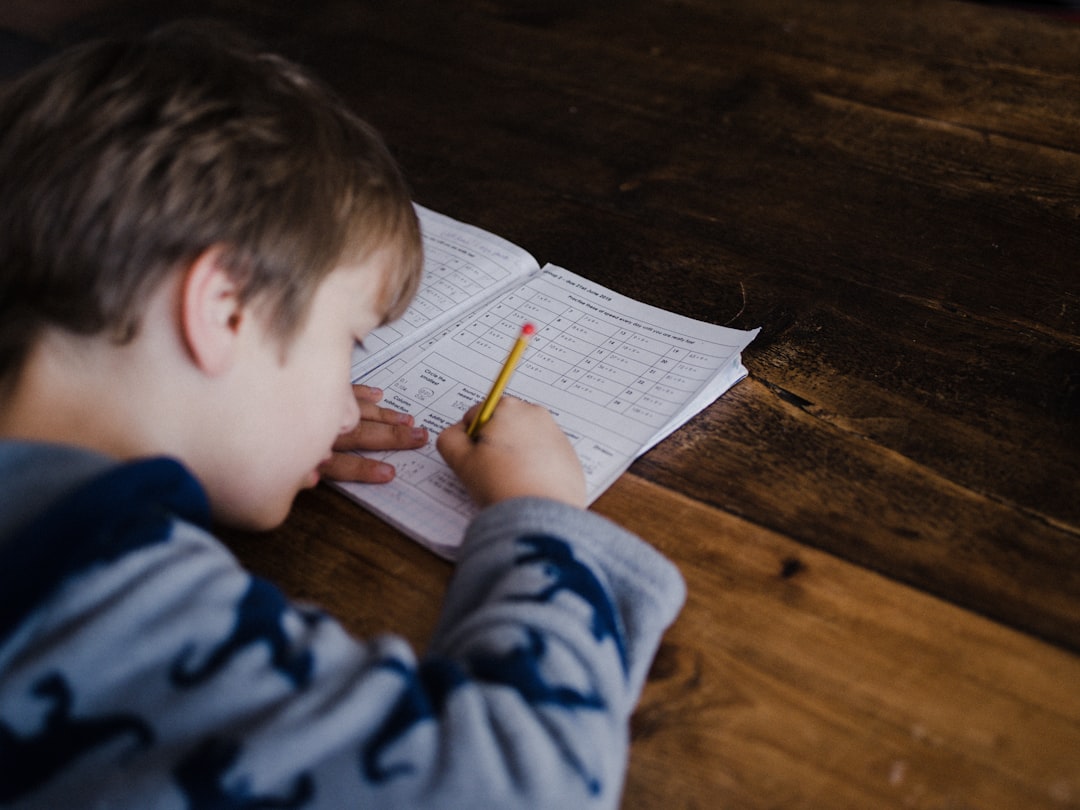
You do not need a color-coded planner or a strict desk-time schedule for a six-year-old. You need a few small things done the same way, often enough that they stop being a decision. These five steps are the core of how to build study habits in kids without turning your evenings into a battle.
1. Anchor Study Time to Something That Already Happens
Stop trying to find a brand-new slot in the day. Attach study time to a thing that already happens, every single day, like a meal or a snack.
In our house, nothing starts until after a snack. A full kid can focus. A hungry one cannot — and honestly, neither can I. The mistake parents make is waiting until the child says they are hungry, because by then it is already a meltdown. Feed first, then begin. When the habit rides on an existing anchor, you stop relying on willpower and start relying on the clock you already keep. (Habit researchers call this “habit stacking,” and the American Academy of Pediatrics makes a similar case for the power of predictable family routines.)
2. Keep It Short and Let Them Own the Order
Twenty minutes is plenty for a young child. Maybe less. The goal at this age is not output — it is the rep. Show up, do a little, stop while it still feels okay.
Then hand over one real decision: let your child pick the order of what gets done. When my daughter chooses the sequence herself, the pushback almost disappears. The list stays non-negotiable; the order is hers. That small bit of ownership does an enormous amount of heavy lifting, and it is the same lever that helps you raise more independent kids across the board.
3. Sit Beside Them, Not Over Them
This is the one that changed the most for me. Sit beside your child while they work — not hovering, not correcting every move. You are not there to fix the answer. You are there so they are not alone in the hard part.
I had to learn this the hard way. For a long stretch I was physically present at homework time but mentally drafting work to-dos in my head. My daughter finally said, “You don’t have to help me get better. I just want to do it with you.” That sentence rebuilt how I show up. (I wrote about that whole embarrassing moment here if you want the full story.) Presence is the habit’s quiet fuel.
4. Reward the Effort You Can See, Not Just the Right Answer
Young kids hit a wall the second something feels hard. They decide they “can’t,” and they shut down. The fix is to praise the attempt, not the outcome.
When my daughter says she can’t, I have her tell me what she can do first. Then we take one small step. The line I keep coming back to — borrowed straight from her Taekwondo training — is simple: you don’t have to be right, but you can’t be stuck and not try. Take your shot, one step at a time. When effort is the thing that gets noticed, kids stop fearing the hard parts. Child Mind Institute has good guidance on praising process over results.
5. Name the Habit Out Loud and Protect It
A habit your child cannot see is easy to skip — for them and for you. Say it plainly: “After your snack, we do our twenty minutes.” Make it a known, named part of the day, not a surprise you spring on a tired kid.
And then protect it from yourself. The real gap, I will admit, is usually my follow-through, not my daughter’s. A study habit only sticks if the adult keeps showing up to it night after night until it runs on its own. Track it honestly — even a simple checklist beats memory, because it is easy to think you have been consistent for a month when you really have not.
How Atlas HQ Helps
That last point — protecting the habit and being honest about follow-through — is actually why we built the Routines feature in Atlas HQ the way we did. I needed a way to see, from real data instead of my own memory, whether we were actually doing the thing every day or just telling ourselves we were.
It started as a 6:45am calendar alarm I made for my daughter called “Morning Checkin,” and it grew into a simple task list the kids check off themselves. Seeing the streak — or seeing it break — keeps me accountable as much as it keeps them on track. The habit becomes something the whole family can watch grow, instead of one more thing I am supposed to remember to enforce.
Make homework time less painful — starting tonight
Atlas HQ gives your kids a step-by-step homework routine they can follow on their own. No more arguing. No more nagging.
Build your homework routine →Frequently Asked Questions
At what age should I start thinking about how to build study habits in kids? Earlier than you would guess — around ages five to seven, before formal homework even shows up. At this stage you are not teaching content, you are teaching the rhythm of sitting down, focusing for a short stretch, and finishing. Chess, reading, or a coding app all count.
How long should a study session be for a young child? Short. Ten to twenty minutes is plenty for a six- or seven-year-old. The point is consistency, not endurance. A brief session your child finishes calmly builds the habit far better than a long one that ends in tears.
What if my child resists every single time? Check the timing first. Most resistance at this age is about hunger or fatigue, not defiance. Try moving the session to right after a snack, keep it short, and give them a choice inside it — like the order of tasks — so it feels less like something being done to them.
Do study habits really matter before the work gets hard? Yes, and that is exactly the point. Building the habit while the stakes are low means it is already in place when the work finally gets demanding. You are not installing a new system under pressure — you are leaning on one your child has quietly had for years.
Is it too late if my child is already older? It is never too late, though it takes more patience. Start with the same steps — anchor it to a daily moment, keep it short, sit beside them — and expect the habit to take longer to settle. A solid homework time routine is a good place to begin.
Here is the honest truth: no family does this perfectly, and some nights nothing lands at all. We have plenty of evenings where we do five minutes and call it. That is fine. The goal was never a flawless study schedule — it was a small, steady habit your child carries into the years that count. Start tiny, stay close, and let it grow.
What does study time look like in your house right now? I would love to hear what is working — and what still feels like a fight.