
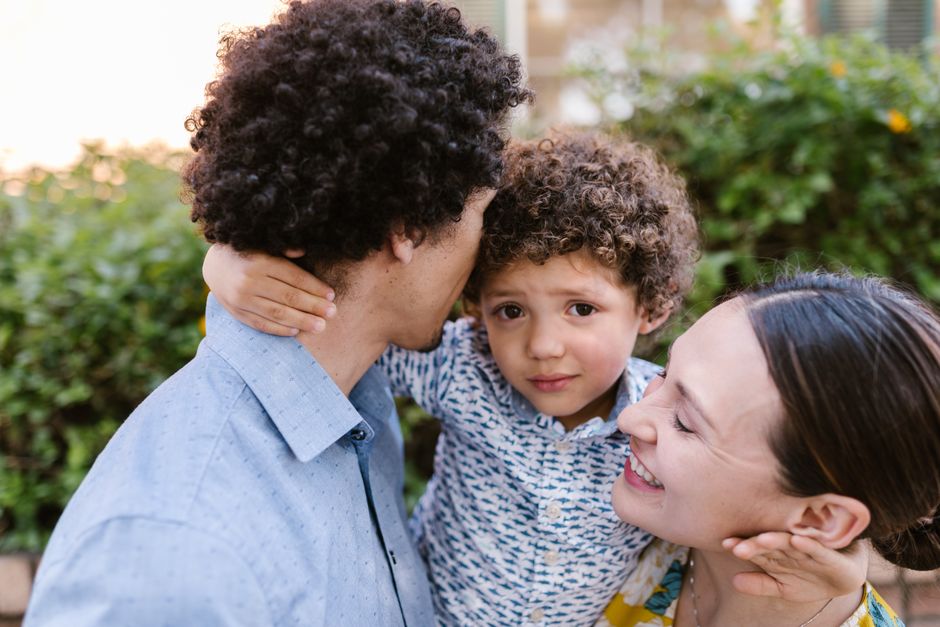
Figuring out how to teach kids self-control can feel impossible when your six-year-old is screaming on the kitchen floor because dinner is two minutes away. They want it now. Waiting feels unbearable to them, and the meltdown that follows feels unbearable to you.
Here’s the part nobody tells you: self-control isn’t a personality trait your kid either has or doesn’t. It’s a skill. And like any skill, it can be taught — slowly, imperfectly, one ordinary day at a time.
Table of Contents
Why Self-Control Is the Skill That Predicts Everything Else
Researchers have followed kids for decades to see what early self-control actually predicts. One famous long-term study out of Dunedin, New Zealand, tracked over a thousand children into adulthood and found that childhood self-control predicted health, finances, and wellbeing years later — often more reliably than intelligence or family income.
That sounds like a lot of pressure. It isn’t meant to be. It just means the small, frustrating moments you’re navigating right now actually matter. You’re not just surviving a tantrum. You’re helping build the part of the brain that handles impulse control in children for the rest of their lives.
And it helps to know what’s really happening in those moments. When your kid loses it over something tiny, their brain hasn’t failed — it’s still under construction. The prefrontal cortex that manages the pause between *feeling* and *doing* isn’t fully wired until well into the twenties. Harvard’s Center on the Developing Child describes these abilities as executive function skills — and the research is clear that they’re built through practice and supportive relationships, not handed out at birth.
I learned this the hard way. When my oldest was in pre-K, she had a meltdown switching from one classroom station to the next — threw toys, ran down the hall screaming at the top of her lungs. The school called. It would have been easy to label her as “the difficult one.” But when we actually paid attention, the real trigger was hunger. Breakfast wasn’t holding her, and she couldn’t get to a snack fast enough. Her self-control wasn’t broken. Her body had run out of fuel before her brain could catch up.
That’s the mindset shift underneath everything below: behavior is information. Once you stop reading meltdowns as defiance and start reading them as a skill that’s still developing, teaching becomes possible.

3 Practical Ways to Teach Kids Self-Control
When parents ask me how to teach kids self-control, I don’t point to a lecture or a reward chart. You build the skill in small, repeatable moments. Here are three that actually work.
1. Name the Feeling Before They Act On It
The fastest way to teach kids self-control is to give them words for what they’re feeling — before the feeling turns into a reaction.
When you say, “You’re frustrated because you have to wait,” you’re not just being kind. You’re handing your child the exact tool their brain needs to slow down. Naming an emotion creates a tiny gap between the feeling and the action, and that gap is where self-control lives.
Keep it simple and specific. “You’re disappointed the show is over.” “You’re mad your tower fell.” You’re not fixing the feeling or talking them out of it — you’re labeling it so they learn the feeling is survivable. Over time, kids who can name their feelings start to manage those emotions on their own. If you want a script for these conversations, this guide on how to talk to kids about their feelings is a good place to start.
2. Teach the Pause
Self-control is really just the ability to pause. So practice the pause directly, when everyone is calm — not in the middle of a storm.
Pick one move and do it together, out loud, every time: one slow breath before answering a hard question. A count to three before it’s someone else’s turn. A hand on the chest. You’re modeling the pause until their brain can find it without you.
I tell my daughter a version of what she hears in Taekwondo: “You don’t have to be right, but you can’t be stuck and not try. Take your shot, one step at a time.” The pause isn’t about freezing — it’s about choosing the next small step instead of reacting to the whole overwhelming moment. The American Psychological Association notes that self-control works like a muscle that strengthens with practice and tires when kids are depleted, so keep the reps short and the expectations realistic.
3. Let the Routine Carry the Load
Here’s the secret that takes the pressure off everyone: the goal isn’t to make your child use *more* willpower. It’s to design days where they need *less* of it.
Every predictable routine is one less battle your kid has to win in the heat of the moment. When the morning always goes the same way, getting dressed isn’t a negotiation that drains their self-control — it’s just what happens next. When bedtime is consistent, the nightly standoff quietly shrinks.
My fix for my slow-eating daughter wasn’t more discipline. It was waking her ten minutes earlier and sequencing every task before she ate, so the morning stopped colliding with her hunger. The routine did the work that willpower couldn’t. A child who melts down over small things is often a child whose day has too many unpredictable demands — structure is how you lower the temperature before things boil over.
How Atlas HQ Helps
This is actually why we built the Emotional Check-In feature inside Atlas HQ. I wanted a simple, low-pressure way to ask my kids “how are you feeling?” before the day got loud — a way to make naming emotions a normal part of our routine instead of something we only did during a meltdown.
It’s not a magic fix, and it was never meant to be. It’s a small daily habit that helps younger kids get comfortable putting words to feelings early, so the pause from tip one becomes second nature. We built it because we needed it ourselves — and naming the feeling really is where self-control starts.
Frequently Asked Questions
At what age can you start teaching kids self-control? You can start as early as toddlerhood by naming feelings and keeping routines predictable, but ages 4 to 8 are a sweet spot. Kids this age have enough language to label emotions and enough memory to follow routines, even though their impulse control is still very much under construction.
How do you teach kids self-control without punishment? Focus on building the skill rather than punishing the lapse. Name the feeling, model the pause, and use consistent routines so there are fewer flashpoints to begin with. Punishment can stop a behavior in the moment, but it doesn’t teach the brain how to pause next time.
Is poor self-control a sign of a behavior problem? Usually not. Most lapses in self-control in young children are developmentally normal — their brains simply haven’t finished wiring the pause. Look for patterns and triggers like hunger, tiredness, or rushed transitions before assuming something is wrong. If outbursts are intense, frequent, and not improving over time, it’s worth talking with your pediatrician.
Why does my child have self-control everywhere except at home? Many kids hold it together all day at school and release everything once they’re somewhere safe — which is usually home, with you. It’s exhausting, but it’s often a sign of trust, not failure. Predictable after-school routines and a quick emotional check-in can ease that daily crash.
When kids know what’s coming, big emotions get smaller
Atlas HQ builds the structure that helps your child feel safe, regulated, and in control.
Try it free →You’re Already Doing the Work
No kid masters self-control on a schedule, and no parent teaches it perfectly. Some days you’ll name the feeling and stay calm. Other days everyone melts down and you order the pizza. Both are fine — the skill is built in the average of all those ordinary days, not the highlight reel.
That, in the end, is how to teach kids self-control: keep naming the feelings, keep practicing the pause, and keep letting your routines carry the weight that willpower can’t. If you want to go deeper on the bigger picture, our guide to emotional regulation in children pulls these threads together.
I’d love to hear from you: what’s the one moment of the day your child’s self-control runs out fastest? Drop it in the comments — chances are another parent is nodding along.