
You suggest a screen-free activity, and your kid looks at you like you asked them to file taxes. If you have gone hunting for screen-free activities for kids that don’t end in an eye-roll, you already know the real challenge isn’t the ideas. It’s getting your kids to actually want them.
Summer makes it louder. The days are long, the structure is gone, and the tablet is always right there. But screen-free doesn’t have to mean a fight, and it doesn’t have to mean you becoming the family activities director. It just takes a few ideas that kids reach for on their own.
Table of Contents
Why Screen-Free Activities for Kids Feel Like Such a Battle
Here’s the moment most parents know by heart. It’s the third hour of “I’m bored,” you’ve already said no to the iPad twice, and the whining is wearing you down. You’re not lazy for wanting to hand over the screen. You’re tired. And a screen is the one thing that buys instant quiet.
So when the eye-roll comes, it’s easy to read it as your kids being ungrateful. Usually it’s something simpler. Screens are engineered to be effortless and endlessly rewarding. Almost any other activity asks a child to do a little more work up front, and their brain fights that gap. That resistance is normal. It is not a sign you picked the wrong activity.
The other piece is that screen-free time often feels like a punishment. When the only rule is “no screens,” kids experience it as something being taken away. The fix isn’t a longer list of crafts. It’s changing how the whole day is shaped so that time away from screens feels like the default, not the penalty.

7 Screen-Free Activities for Kids That Actually Stick
These aren’t complicated. Most cost nothing. The difference is that each one gives kids a reason to lean in, instead of asking them to sit still and be grateful.
Put screen time on the schedule. This sounds backwards, but it’s the one that changes everything. When screen time is a known slot on the day, kids stop asking for it every ten minutes, because they can see it coming. In our house, screens are a scheduled activity, not a constant option. The structure is the fix, not the specific activity. Start by naming one screen window a day, and watch how much calmer the hours around it get.
Build a boredom jar. Write simple activities on slips of paper, drop them in a jar, and let your child pull one when “I’m bored” shows up. Build a fort. Draw a comic. Race to clean up ten things. The magic isn’t the jar. It’s that your kid makes the choice, and kids go along with the plans they pick far more than the ones you assign.
Give the activity a real job. Open-ended “go play” lands flat for a lot of kids. A goal doesn’t. Build something that has to stand up. Bake something you get to eat. Run a backyard mission with a finish line. My oldest will drop a tablet in a second for a project she gets to complete, because finishing feels good in a way scrolling never does.
Let them be bored first. Boredom is uncomfortable, so we rush to rescue it. But that empty stretch is exactly where kids’ own ideas come from. Hold off for ten minutes before you offer anything. More often than not, they’ll invent something better than you would have. We wrote more about why this works in why boredom is good for kids.
Bring back analog play. A deck of cards, a bin of LEGO, a 100-piece puzzle on the table that anyone can add to while they walk by. Physical, hands-on play holds attention in a way that surprises parents who assume their kids are “screen kids.” If you want a starting kit, we broke down the best low-effort options in our guide to analog play for kids.
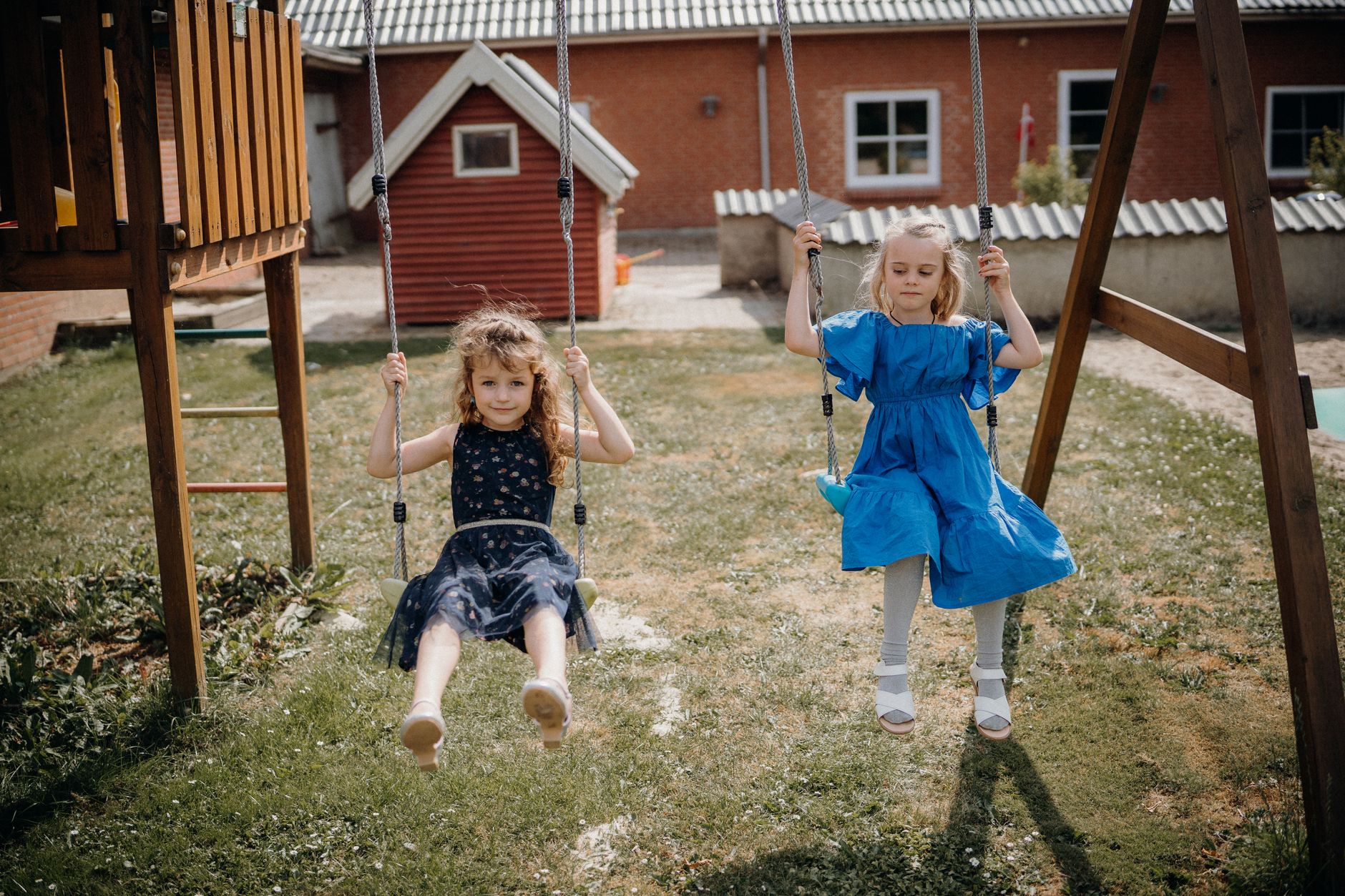
Take it outside with a mission. “Go outside” gets a groan. “Find five things that are green, then five that are red” gets a kid out the door. Chalk courses, water play, a scavenger hunt, a bug hunt with a jar. The American Academy of Pediatrics points to unstructured outdoor time as one of the healthiest things a child can do all day, and it costs nothing. (See the AAP’s family media guidance at HealthyChildren.org.)
Cook or bake something together. Kids who won’t sit for a craft will happily crack eggs and mash bananas. Cooking is a screen-free activity with a built-in payoff, plus real reading, measuring, and patience baked right in. Hand them one job that’s truly theirs, and let it be a little messy.
How Atlas HQ Helps
We didn’t build Atlas HQ to police screens. We built it because the problem in most homes isn’t screen time itself. It’s brainless screen time, and the constant negotiating that fills the space when there’s no plan for the day. Not all screen time is equal, either. An hour on a learning app like CodeMonkey or a chess app is a different thing than an hour of autoplay, and a good routine leaves room for the good kind.
When screen time lives inside a routine, everything softens. Kids can see when it’s coming, so they stop bargaining for it. The other hours get a shape, so screen-free activities for kids become the natural fill, not a fight you have to win at 2pm. Atlas HQ is really just the structure that makes that possible, so you’re not the one holding the whole plan in your head. That’s the same idea behind our approach to summer screen time limits: the structure is the fix.
End the screen time battle before it starts
Atlas HQ helps your family set clear, consistent screen limits — the kind your kids actually respect because they can see them coming.
See how it works →Frequently Asked Questions
What are the best screen-free activities for kids in the summer?
The best ones give kids a reason to lean in: a boredom jar they pull from, a project with a finish line, outdoor missions, and cooking together. Start with one or two rather than a giant list, and let your kids help choose.
How do I get my kids to do screen-free activities without complaining?
Give them a choice and a goal. Kids resist assigned activities but go along with ones they pick, especially when there’s something to finish or make. It also helps to put screen time on the schedule so the screen-free hours don’t feel like a punishment.
How much screen time is okay for school-age kids?
There’s no single magic number. It matters more whether the content is quality and whether screens have a defined place in the day. The American Academy of Pediatrics recommends a family media plan over a strict hour count, focused on consistent limits and screen-free zones.
My child melts down when screen time ends. What can I do?
Meltdowns usually spike when screens are always available and the ending is a surprise. A predictable slot with a clear warning before it ends makes the transition far smoother. Naming what comes next, rather than just taking the screen away, gives them something to move toward.
Are screen-free activities really worth the effort?
Yes, and not because screens are the enemy. Screen-free play builds attention, creativity, and independence, and it gives your family real time together. The goal isn’t zero screens. It’s a summer with room for more than screens.
Real families aren’t perfect, and no summer runs on a color-coded chart. Some days the tablet wins, and that’s fine. But when the day has a little structure around it, screen-free stops being a battle and starts being the easy default. Pick one idea from this list, try it this week, and build from there. If you want help giving the whole day a shape, a simple summer routine for kids is the place to start. What’s the one screen-free activity your kids actually ask for? Come tell us in the comments.