
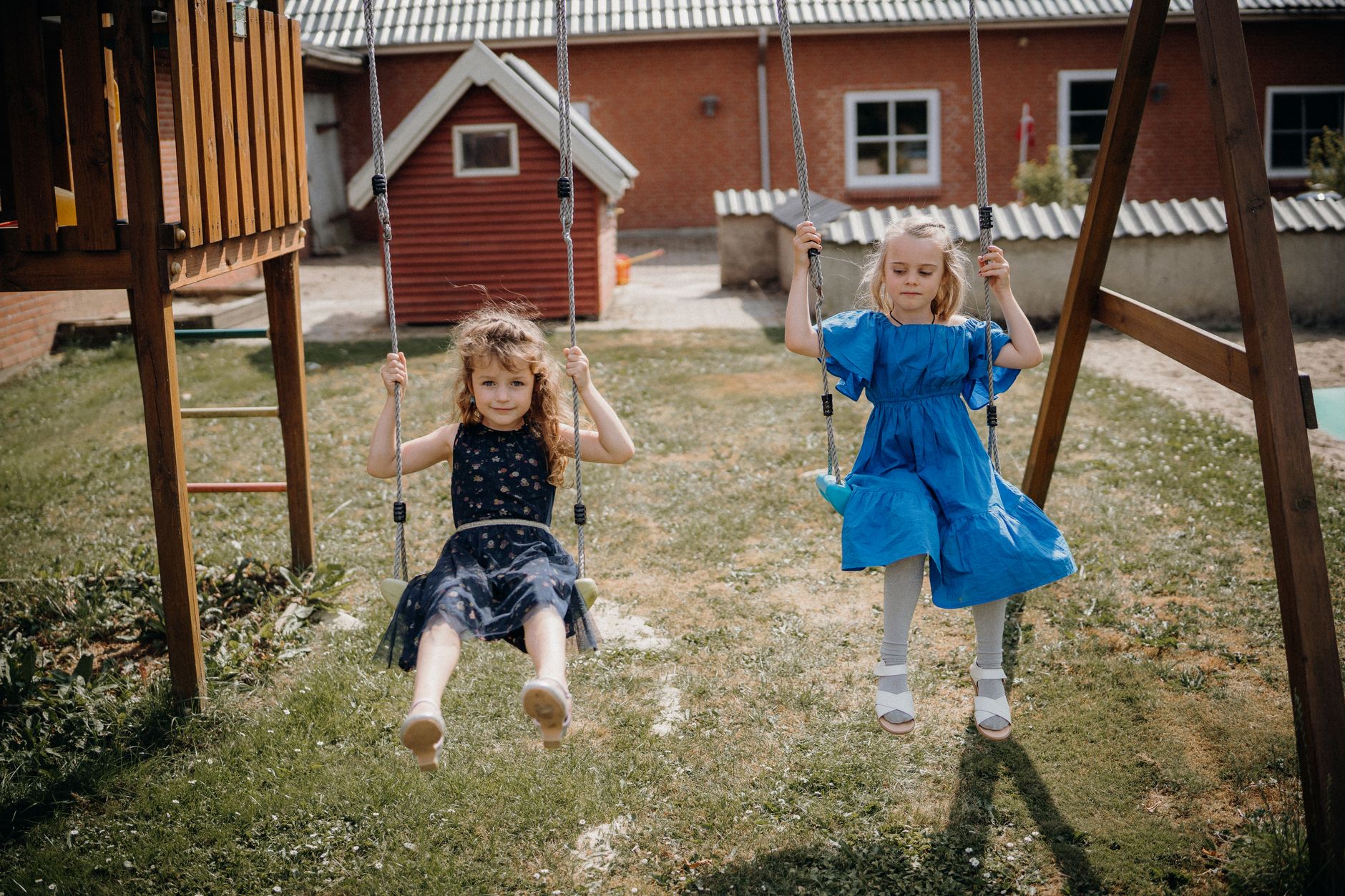
It is the third week of summer break, and the summer behavior problems have officially arrived. Your kid is bored by 10am, wired by noon, and melting down over a dropped popsicle by two in the afternoon. The days feel long and loud. If home has started to feel like a pressure cooker, you are not doing anything wrong.
This happens in almost every house once the structure of the school year disappears. The good news: a few small shifts can turn the whole day around. Here is what actually works.
Table of Contents
Why Summer Behavior Problems Get Worse When Kids Are Home
During the school year, your child’s day has a shape whether you build it or not. Bells ring. Classes change. Recess happens at the same time every day. Then summer hits, the scaffolding vanishes, and a six-year-old is suddenly staring down twelve unstructured hours with nowhere to put all that energy.
That is the real engine behind most summer behavior problems. It is rarely defiance for the sake of defiance. It is a kid with a full tank and no track to run on. Boredom, hunger, and too much unstructured time stack up until one small “no” sets off a full meltdown. If the meltdowns in your house seem to come out of nowhere over tiny things, you are not imagining it — that pattern is common enough that we wrote a whole guide on why kids melt down over small things.
I have watched this in my own home. My oldest is headstrong, and she does not respond to a rule dropped on her out of nowhere — she needs to understand the why behind it. During the school year, the day itself does that explaining for her. In summer, that job lands back on me. When I skip it, the pushback shows up fast. For the bigger picture on what is driving the acting out, our complete guide to the defiant child breaks it down further.

5 Proven Fixes for Summer Behavior Problems
You do not need a color-coded schedule or a summer boot camp. You need a handful of anchors that give the day a rhythm. Here are the five that make the biggest difference.
1. Give the Day a Loose Shape
Start here, because it fixes more than anything else on this list. Kids settle when they can predict what is coming next — even in summer, even without a single worksheet in sight.
You do not need a strict hour-by-hour plan. You need three or four anchor points: a loose morning start, lunch, a quiet stretch in the afternoon, and one thing to look forward to before dinner. That is it. When my daughter knows the beats of the day, the whining between them nearly disappears. The American Academy of Pediatrics notes that predictable family routines help kids feel secure and behave better — and that is just as true in July as it is in October.
2. Move the Body Before You Fix the Mood
Most summer meltdowns are pent-up energy wearing a disguise. Before you reach for a consequence, get the body moving.
Ten minutes outside can reset a whole afternoon — a walk, the backyard, a bike loop, anything active. The CDC recommends kids get at least 60 minutes of physical activity a day, and cooped-up summer days are exactly when that gets skipped. Make movement the first response to crankiness, not the reward after good behavior. You will be amazed how many “behavior problems” evaporate once the wiggles have somewhere to go.
3. Name the Feeling Before the Consequence
When your kid acts out, the instinct is to correct fast. Try naming what is underneath first: “You seem bored and frustrated. Being stuck inside all day is hard.”
Feeling understood shrinks a meltdown faster than any punishment. It does not mean you skip the boundary — it means you connect before you correct. Once the storm passes, you can problem-solve together, calmly. This is the same move that quietly ends most power struggles with kids before they escalate. In my house, I save the real teaching for after the moment, not during it — a calm “you were having a hard time, let’s figure out what to do next time” lands far better than anything said mid-meltdown.
4. Protect Some Boredom on Purpose
This one feels backward, so stay with me. When every hour is packed with activities and screens, kids lose the ability to entertain themselves — and the second the stimulation stops, the behavior falls apart.
A little boredom is not the enemy. It is where imagination and independent play actually grow. The Child Mind Institute points out that boredom pushes kids to build their own creativity and problem-solving. Resist the urge to rescue them from every “I’m bored.” Hand the problem back: “That is up to you to solve — what could you do?” The first few times are rough. Then something clicks.
5. Keep Two Non-Negotiables Every Day
Summer can dissolve into a shapeless blob if you let every rule slide. You do not need many — you need two that never move.
In our house during the school year, the two anchors are emptying the lunchbox and picking out clothes for the next day. In summer I swap them for something seasonal — making the bed and one helpful job around the house — but the principle holds: two small, daily, non-negotiable responsibilities keep a kid tethered to the idea that the day has expectations. It is a small dose of structure that pays off all afternoon.
How Atlas HQ Helps With Summer Behavior Problems
Here is the honest version of why we built the Routines feature in Atlas HQ: I needed the day to have a shape without me hovering over my kids to enforce it. It started with a 6:45am “Morning Checkin” alarm and a simple task list, and it grew from there because a predictable rhythm is what actually calmed our house down.
In summer, that same idea does the heavy lifting. Instead of me narrating the whole day, my daughter can see what comes next and move through it with a little autonomy — she even gets to choose the order, which cuts the pushback way down. It is not a magic behavior fix. It is just the structure from fix number one, made visible, so the predictability does the work instead of my voice.
Frequently Asked Questions
Why does my child’s behavior get so much worse in summer? This usually comes from lost structure, not a change in your child. The school year provides a built-in rhythm, and when it disappears, boredom and unstructured time pile up until small frustrations turn into big reactions. Adding a few daily anchors restores most of that missing predictability.
How do I handle summer meltdowns without just yelling? Move the body first, then name the feeling before you set the boundary. A lot of crankiness is unspent energy, so a quick burst of activity often resets the mood on its own. Once your child feels understood, correction lands far better than it does mid-meltdown.
Is it okay to let my kids be bored in the summer? Yes — a little boredom is genuinely good for them. It is where independent play and creativity develop. Instead of rushing to fill every gap, hand the problem back to your child and let them practice solving it. The goal is not constant entertainment, it is a kid who can occupy themselves.
How much screen time is too much during summer break? There is no single magic number, but watch the behavior on the other side of the screen. If turning the device off reliably triggers a meltdown, that is your signal the balance is off. Pair screen time with daily movement and non-screen anchors so it is one part of the day, not the whole engine of it.
How long does it take for a summer routine to actually work? Most families see calmer afternoons within a week or two of keeping the anchors consistent. The key is not adding more rules — it is repeating the same few every day so your child can predict the rhythm. Consistency, not intensity, is what makes it stick.
Consistent structure is the #1 fix for defiant behavior
Atlas HQ helps you build the kind of predictable routine that reduces power struggles before they ever start.
See how it works →You Do Not Need a Perfect Summer
Some days nothing works, the meltdown wins, and everyone goes to bed frazzled. That is normal, and it is not a sign you are failing. You are not building a flawless summer — you are building a rhythm that catches your family on the hard days.
Give the day a shape, move the body, name the feelings, and protect a little boredom. Start with one of these tomorrow, not all five. And if the big emotions are the part wearing you down most, our guide on how to help kids manage emotions is a good next read.
What does summer behavior look like in your house right now? Come tell me in the comments — I read them, and I am living this one too.