
Table of Contents
Child Refuses Responsibility: 5 Proven Fixes That Build Real Ownership
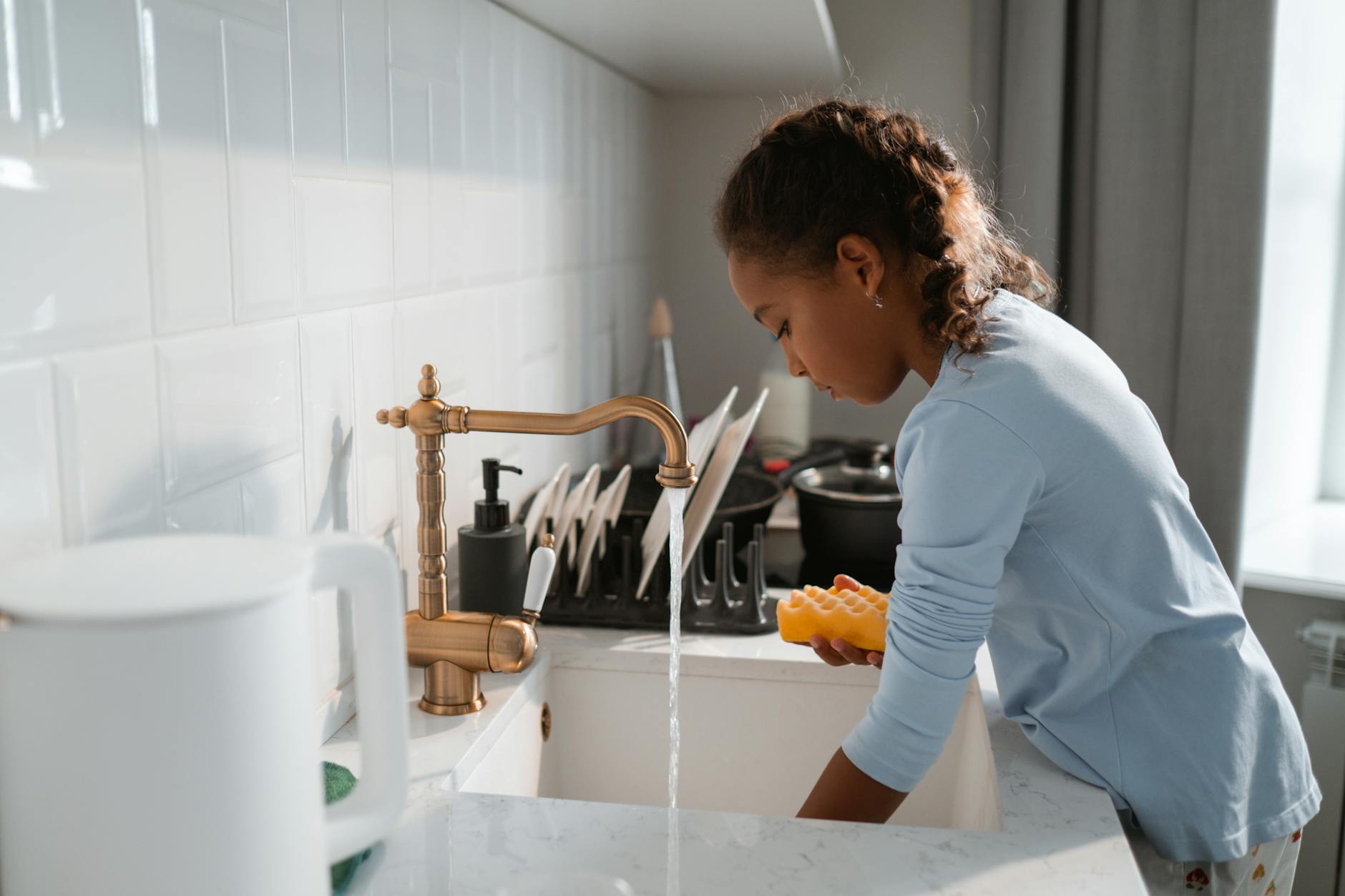
Your kid was supposed to put their shoes away. They didn’t. You ask why. They shrug, say it wasn’t their fault, and walk away. Sound familiar? When a child refuses responsibility, most parents reach for lectures, consequences, or bribes — and most of the time, none of it actually sticks.
The problem isn’t that your child is lazy or defiant. It’s that they haven’t yet understood something fundamental: their choices belong to them. Once that shifts, everything else gets easier.
This is a topic I’ve spent a lot of time on — not just as a builder of Atlas HQ, but as a parent who has these exact conversations at home. For our complete guide to raising responsible kids, this post digs into the specific moment when your child refuses responsibility and what you can actually do about it.
Why Your Child Refuses Responsibility (And Why It Is Not What You Think)
When kids push back on owning their choices, it rarely comes from pure defiance. Most of the time, they are overwhelmed by what accountability actually requires. It means admitting something went wrong, sitting with discomfort, and accepting that the outcome was theirs to control. That is genuinely hard — even for adults.
My six-year-old and I go round and round about this. When I tell her she owns her choices — that they are not good or bad, just choices she has to live with — she gets frustrated. She says things like “everything is always on me,” and honestly, she is not entirely wrong. In her world, adults make most of the decisions. So when I ask her to own something, it feels unfair to her.
That is the insight worth sitting with. When a child refuses responsibility, they are often expressing something real: I feel powerless, so why should I own this? According to the Child Mind Institute, kids who struggle with accountability often need help connecting their actions to outcomes in a concrete way — not through punishment, but through guided reflection.
The American Academy of Pediatrics notes that children between ages 6 and 8 are still developing the executive function skills that allow them to regulate their emotional responses to perceived unfairness. That explains a lot of the eye-rolling and “that is not fair” moments that follow every accountability conversation.
Here is the mindset shift that actually helps: stop asking your child to accept blame, and start helping them understand the power of their choices. Even when they feel powerless, they choose how to respond. That reframe is where real responsibility begins.
5 Proven Fixes When Your Child Refuses Responsibility
1. Reframe Choices as Neutral
Stop labeling choices as “good” or “bad.” That framing immediately puts kids on the defensive. Instead, try: “You made a choice, and this is what happened because of it.” No moral weight. No judgment. Just cause and effect.
This is something I say almost daily at home. Choices are not good or bad — they are just choices you make in the moment that you then have to live with. It does not land perfectly every time. But over months of consistency, the conversation gets shorter and the defensiveness softens.
2. Pause Before You React
When your child avoids accountability, your instinct is to push. To correct immediately. To make sure they understand right now. Resist that. The moment right after the incident is often the worst time for the lesson to land — emotions are high on both sides.
Wait. Let things calm. Then revisit. My two-year-old sometimes struggles to apologize to her sister when she has hurt her. My approach: all activities stop until it happens. Not forced. Not demanded loudly. Just a patient, quiet expectation. Waiting teaches something a lecture never can.
3. Let Them Live with Consequences
Natural consequences are more effective than any punishment you could design. If your child does not pack their homework bag, they go to school without it. If they do not put their shoes away, they spend three minutes looking for them in the morning. Let it happen.
This is not about being harsh — it is about being honest. When children experience the real result of their choice, responsibility stops being abstract. It becomes felt. Research on self-determination in kids from Berkeley’s Greater Good Science Center shows that children develop genuine responsibility when they feel real ownership over outcomes — not when they are managed into compliance.
4. Use Questions Instead of Statements
“You should have done that” puts kids on the defensive instantly. Try a question instead: “What do you think happened because of that choice?” It shifts the dynamic. You are no longer the prosecutor — you are a guide helping them think it through.
For kids who also struggle with defiant behavior, questions are especially powerful because they do not trigger the same resistance as direct correction. The child has to do the cognitive work, which means the conclusion comes from them — not from you.
5. Build a Responsibility Identity
Help your child see themselves as someone who follows through — not because they have to, but because it is who they are. Celebrate specific acts of accountability when you see them. “You noticed the mess and you cleaned it up without being asked. That is exactly what taking ownership looks like.”
The goal is not to catch every failure. It is to make responsibility feel like part of their identity. Building good habits around accountability is a long game — but it adds up faster than most parents expect.
How Atlas HQ Helps Kids Build the Ownership Mindset
Give your kids ownership — and watch responsibility grow
Atlas HQ makes it easy to assign tasks, track progress, and build the kind of accountability that actually sticks.
Try it free →When I was working through why kids resist responsibility, I kept coming back to the same idea: they need to see the connection between their choices and how they feel — not just in moments of failure, but every day, in the small things.
That is part of why we built the Good Deeds, Affirmations, and Gratitude features in Atlas HQ. Affirming yourself, being grateful, and doing good deeds are all results of choices — small ones, made daily. And those choices shape future choices. We wanted kids to experience that connection in a positive, low-stakes way before the high-stakes moments came. When a child builds a habit of noticing what they did well, responsibility starts to feel less like a burden and more like something they choose for themselves.
Frequently Asked Questions
Why does my child refuse responsibility even for small things?
Small things feel just as loaded to kids as big ones — sometimes more so. A child who refuses responsibility for a minor task is often reacting to the feeling of being blamed, not the task itself. Shifting your language from “why did you not do this” to “what happened with this” can make a real difference in how they respond.
How do I teach a child who refuses responsibility to accept consequences?
Start with natural consequences rather than punishments you impose. When children experience the actual result of a choice — not a penalty you have created — the lesson connects more directly to their actions. Keep your response calm and factual, not emotional.
At what age should kids start taking responsibility for their actions?
Children as young as 3 can begin to understand simple cause and effect. By ages 6 to 8, they are ready to take genuine ownership of their choices, though they will still need significant support and modeling. The conversations you have now are building the foundation for later.
What should I say when my child blames others for everything?
Avoid arguing about who is at fault. Instead, redirect: “I hear you. What could you have done differently in that moment?” This keeps the focus on their choices without dismissing how they feel. Over time, this builds the internal awareness that accountability requires.
Does punishing kids for refusing responsibility work?
Punishment alone rarely builds responsibility — it can actually deepen resistance. Kids who are consistently punished for not taking ownership often learn to hide mistakes rather than own them. Consequences that are natural, proportionate, and calmly delivered tend to be far more effective.
No family gets this right every day. There will be rounds of “that is not fair” and conversations that go nowhere. That is normal. The goal is not a child who never pushes back — it is a child who gradually understands that their choices matter, and who starts to own that because they believe it, not because you forced it.
Keep the conversations short, the expectations consistent, and the patience real. It adds up. Drop your experience in the comments — I read every one.